Archive of publications
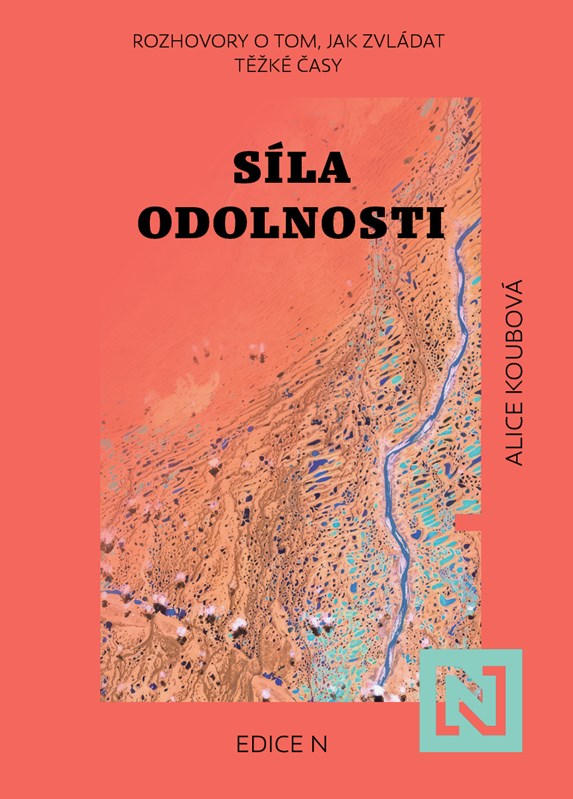
Síla odolnosti
Alice Koubová
Jakou „sílu“ potřebujeme, máme-li být schopni reagovat na nenadálé šoky a chronická narušení v současné moderní společnosti? Existuje síla silnější než násilí? Co potřebujeme pro obnovu životního vývoje, když se život přeruší – traumatem, ve společnosti sílící nevraživosti, v erodující demokracii, uprostřed socio-ekologické krize? Alice Koubová tyto otázky zkoumá v rozhovorech s významnými světovými vědci skrze pojem odolnosti. Ukazuje, že odolnost není další na seznamu „dovedností“, které je třeba individuálně budovat a soutěžit v nich hlava nehlava s druhými, jen aby člověk nebyl sněhová vločka, méněcenný kus nebo dezolát. „Síla“ odolnosti funguje spíše jako schopnost žít ve vztazích, které sice nejsou ideální, ale bez nichž nelze o životní prospívání ani usilovat.
N media

Filosofický časopis 3/2026
P. Koťátko: Břečka, klam a proud řeči
I. Dovhoruk: Libido a sociální vazby: Aktuálnost Freudova myšlení pro současnou politickou filosofii
F. Borecký: Zakázaný humor. Kynická úvaha o hranicích komiky
M. Karaba: Vlnová funkcia ako ontologický problém: medzi matematickým modelom a fyzikálnou realitou
Téma: Nové perspektivy antisthenovských studií: Jazyk, dialektika a panantisthenismus
M. Kokeš: Úvod
Antisthenés: Aiás neboli Aiantova řeč
Antisthenés: Odysseus neboli O Odysseovi
M. Kokeš: Sémantika charakteru v Antisthenových epideiktických řečech
F. Škvrnda ml.: Panantisthenizmus a jeho miesto v modernej historiografii antickej filozofie
Profesor Stanislav Sousedík se dožívá 95 let
Rozhovor
S. Sousedík – P. Dvořák: Je ke každému souhlasu třeba úkonu vůle?
Recenze
T. Machula: Stanislav Sousedík: „Obrana tradičního křesťanství“
Recenzní studie
J. Peregrin: Sociální historie analytické filosofie
In memoriam Jan Šebestík (9. 1. 1931 – 14. 2. 2026)
L. Kvasz: Úvodní slovo
K. Trlifajová: Slovenská a česká léta Jana Šebestíka
M. Marcelli: Šebestík číta, prekladá a interpretuje Leibniza
A. Soulez: Pocta Janu Šebestíkovi
P. Wagner: Za Janem Šebestíkem
P. Rusnock: Odešel Jan Šebestík
Různé
L. Kladeková: Foucault v strednej a východnej Európe. Foucault at 100: Echoes and Encounters in Central and Eastern Europe
Přízrak jiné moderny
Michal Ajvaz
Nakladatelství Filosofia
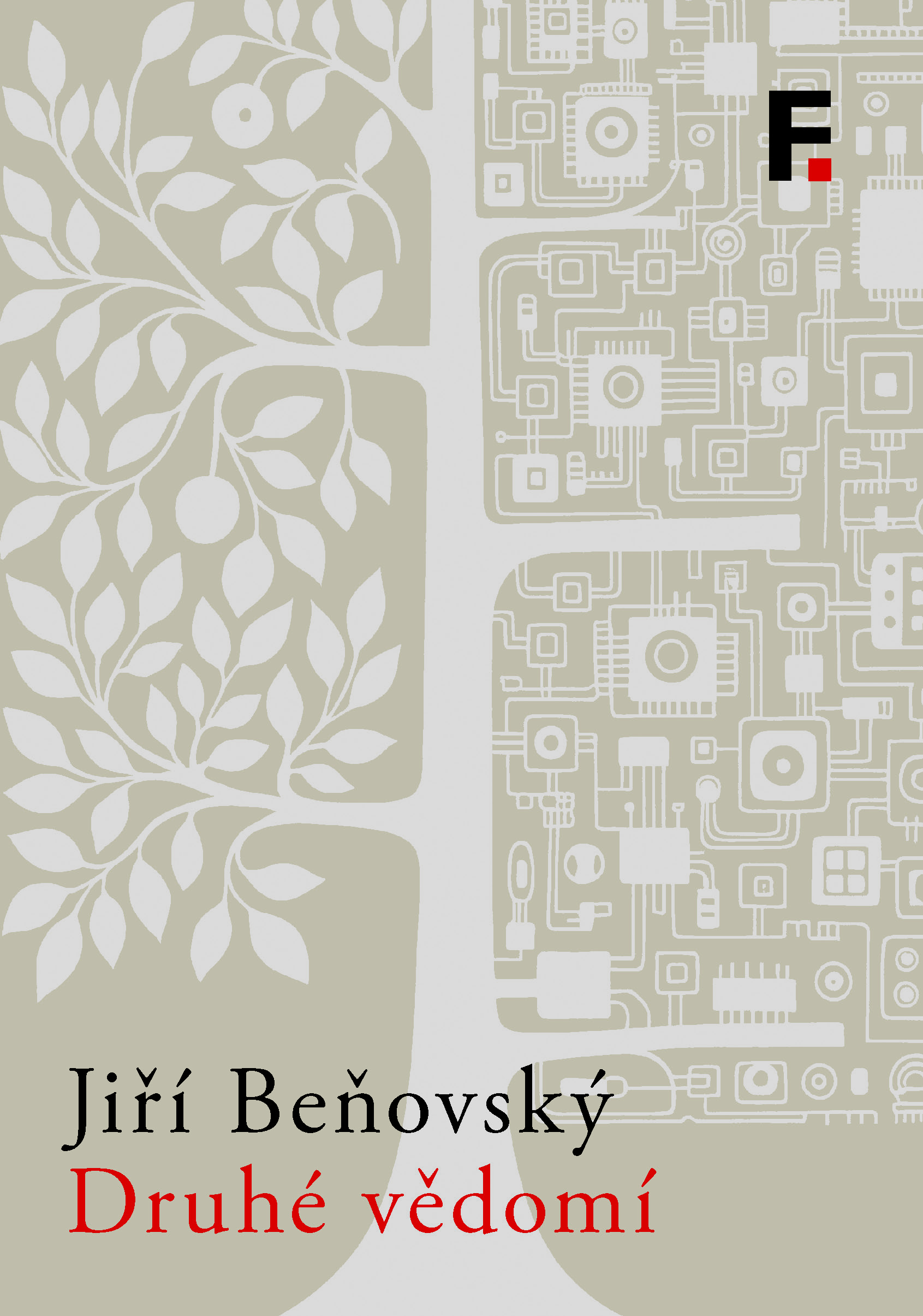
Druhé vědomí | Úvahy o podstatě vědomí v biologických a umělých systémech
Jiří Beňovský
Nakladatelství Filosofia
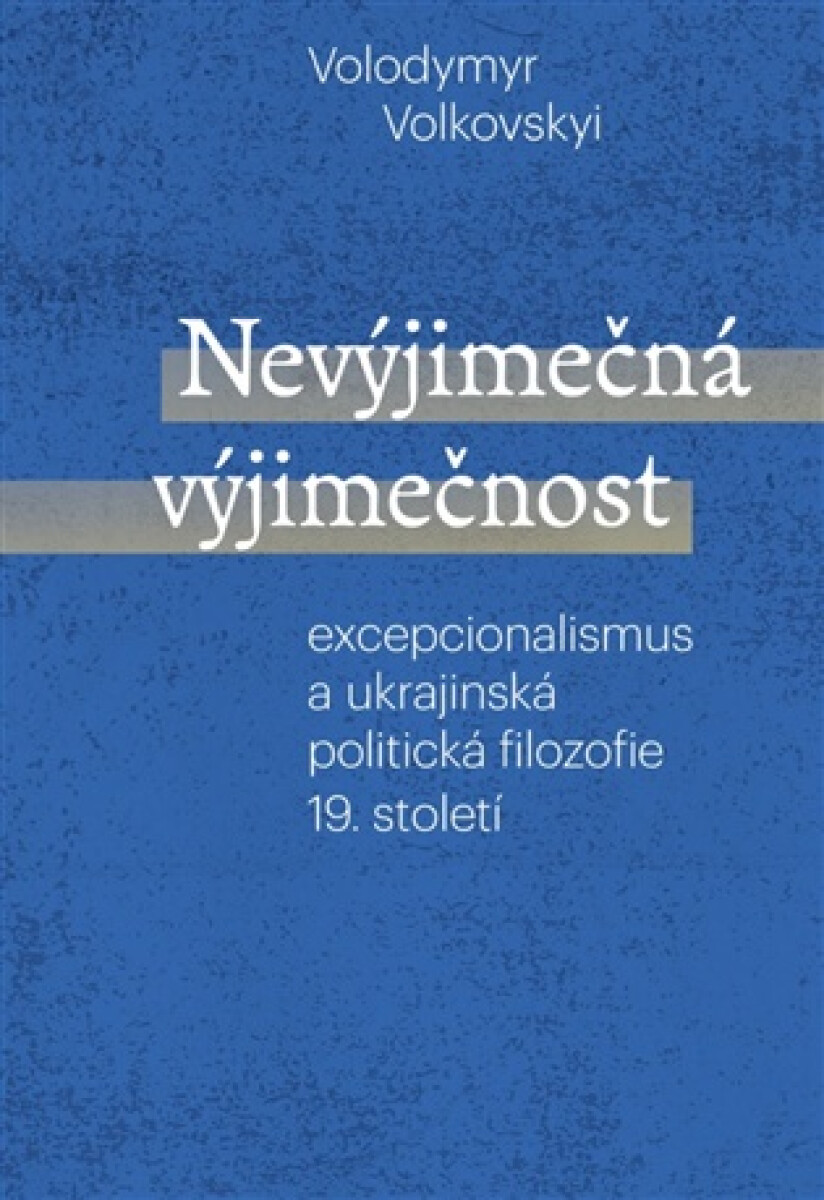
Nevýjimečná výjimečnost: excepcionalismus a ukrajinská politická filozofie 19.století
Volodymyr Volkovskyi
Kniha sleduje méně známé, ale mimořádně důležité intelektuální dějiny Ukrajiny 19. století skrze pojem "excepcionalismus" - ideu národní výjimečnosti, která se obvykle spojuje s americkým politickým myšlením, zde však získává nový, nečekaný kontext. Autor ukazuje, jak se tento koncept prolíná s ukrajinským politicko-filozofickým myšlením v době formování moderního národa, pod tlakem ruského a rakouského impéria, a jak souvisí s širšími otázkami nacionalismu, kolonialismu, imperialismu a mesianismu. Na pozadí fascinujících intelektuálních debat, od cyrilometodějského hnutí přes panslavismus až po ukrajinofilské diskurzy, kniha propojuje historické texty s dnešními globálními spory o identitu, moc a výjimečnost národů. Ukazuje, že mnohé argumenty, které formovaly 19. století, stále překvapivě rezonují v politice 21. století - včetně současných konfliktů ve východní Evropě - a že historické ideje mohou mít dlouhý a často nečekaně přímý dosah do přítomnosti. Čtenář se setkává s bohatým spektrem historických aktérů a intelektuálních proudů - od kozáckých mýtů a tajných společností přes děkabristy a panslavisty až po vliv českých a slovenských buditelů na ukrajinské prostředí. Tyto příběhy odhalují, jak propojené byly středoevropské a východoevropské intelektuální dějiny, a zároveň ukazují, jak málo je dosud známe.
Nakladatelství Pavel Mervart
Teorie vědy/ Theory of Science Vol. 48 No. 1 (2026)
AI in Science: Lessons from the Ongoing Revolution
Z obsahu:
AI in Science: Lessons from the Ongoing Revolution
Petr O. Jedlička
Quo Vadis? Scientific Discovery in the Age of Artificial Intelligence
Petr O. Jedlička
How Can AI Help to Research and Potentially Enhance the Curiosity of Elementary School Children?
Roman Lyach, Karolína Letochová, Helena Beranová, Miroslava Hapalová, Matúš Kurian, Daniela Hančlová, Ondřej Šteffl
Current role of AI in the Historical Sciences and Research
Marie Michlová
Pragmatics beyond Humans: Meaning, Communication, and LLMs
Vít Gvoždiak
Nová Atlantis
Francis Bacon
Francis Bacon (1561-1626) byl významný anglický myslitel a státník považovaný někdy za otce empirismu. Nová Atlantis je jedním z jeho nejvýznamnějších děl. S využitím Platónova mýtu o Atlantidě, Utopie Thomase Mora, cestovatelského narativu alžbětinského období a renesančně reformačního ideálu čistého křesťanství vytváří vizi společnosti, v níž je akcentován vědecko-technologický pokrok. Novou Atlantidu Lorda Bacona vydal v roce 1627 jeho sekretář William Rawley jako údajně nedokončenou s odůvodněním, že jeho lordstvo se raději věnvalo "zkoumání přírody". To je v Nové Atlantidě institucionalizováno tzv. Šalomounovým domem (s odkazem na moudrost biblického krále Šalomouna), vědecko-technologickou institucí, jejímž úkolem je "interpretace", tj. výklad přírody a odhalování jejích tajemství s cílem rozšiřování lidského panství. Publikace přináší revidovaný překlad Nové Atlantidy Aloise Bejblíka (1980) podle anglického vydání Briana Vickerse (1996) a kritického vydání Davida Colclougha (2025), doplněný o poznámky a úvodní studii Jana Buráně, která tématizuje "neexistenci" politické filosofie v rozvrhu Nové Atlantidy. Text k vydání připravili Jan Buráň a Tomáš Nejeschleba, působící na Filosofické fakultě Univerzity Palackého v Olomouci, spolu se studenty interpretačně-překladového semináře na tamější katedře filosofie.
Oikoymenh/FLÚ AV ČR
Origins and Future of Self-Knowledge | Epistemic Agency, 4E Metacognition, and Artificial Intelligence
John Dorsch
“Know thyself.” Once carved into the stone at Delphi and popularized by Socrates as the guiding maxim of philosophy, this command captures the enduring human struggle to examine and justify our own beliefs. This book asks how such a capacity for self-knowledge could have arisen—our ability to reflect on and regulate what we believe in light of epistemic norms like justification and truth. To answer that question, it weaves together insights from comparative and developmental psychology, cognitive and affective neuroscience, and socio-cultural theories of cognition, including the 4E approach, which holds that cognition is extended across tools and environments, embodied in the biological and affective processes of the body, embedded within socio-cultural contexts, and enacted through active engagement with the world. Thus, at the heart of this inquiry lies the concept of 4E metacognition: the idea that self-knowledge originates in bodily mechanisms that generate emotional and dynamic feedback signals, which drive information-seeking behavior and manifest in outwardly observable expressions, scaffolding epistemic regulation within social communities. Yet the story of self-knowledge is not only about origins; it also has a future. Toward its conclusion, this book turns to how self-knowledge might evolve in our digital age. Technologies such as large language models and decision-support systems are not merely tools but infrastructures for cognition—new extensions of epistemic agency that shape how we reason, justify, and believe. This book explores whether such technologies will erode or enhance our capacity for justificatory reasoning, and asks a provocative question: if the conditions that give rise to epistemic agency in humans can be identified and replicated, could an artificial agent—such as a socially embedded robot—one day possess something akin to self-knowledge? In tracing both the evolutionary roots and the technological horizons of self-knowledge, this book offers a new account of what it means to “know thyself” in a world where the boundaries of cognition are rapidly shifting.
Springer Nature

Filosofický časopis 2/2026
H. Fořtová: Konflikt skrze jazyk: rétorika ve „Společenské smlouvě“
V. Šimek: „Probuzení k rozumu“ a problém evidence: k morální epistemologii Roberta Spaemanna
A. Démuth: Problém nenávisti u Heideggera a (raných) fenomenológov
Diskusní studie
T. Korda: Je celek nepravda? Mravní moment války jako kritika Adornovy četby Hegela
M. Nebošková: MacIntyre, morálny záväzok a relacionalita: Starostlivosť o osoby s intelektuálnym znevýhodnením
Esej
J. Vácha: Místo vědomí v přírodě Znovu nad šálkem kávy
Polemiky
A. Markoš: Estetika živého
L. Kvasz: Proč Descartes potřebuje obranu aneb odpověď Janě Šebelové
Post Habermas
J. Přibáň: Za Jürgenem Habermasem (1929–2026)
Renesanční osobnost české medievistiky
P. Soukup, R. Novotný: František Šmahel (1934–2025), středověká filosofie a Filosofický ústav
Recenze
B. Řebíková: K čemu je nám dnes Masarykovo pojetí demokracie?
K. Broučková: Jason Brennan: Proti demokracii
A. Handl: Jeffrey A. Winters: Oligarchie
V. Wintner: Andrej Kalaš – Zuzana Zelinová: Hesiodov svet vo veršoch: pramene a Interpretácie
J. Svoboda: Vasil Gluchman: Podoby sekulárneho humanizmu na Slovensku v 20. storočí (do roku 1989)
Různé
P. Glombíček: Ke stému výročí narození Wolfganga Röda
Anotace
K. Zákostelnová: Miloslav Bednář: Filosofický a dějinný smysl geopolitiky 20. a 21. století
Disidenti mezi disidenty
Ilja Borisovič Budrajtskis
Kniha Ilji Budrajtskise (* 1981) je působivou mozaikou esejů, studií a úvah, v nichž autor mapuje historii, místo, tradici a roli disidentského hnutí v moderních sovětských a ruských dějinách. Nabízí však čtenáři mnohem více než jen přehled disidentských hnutí a uskupení a jejich (většinou) neúspěšných pokusů zlepšit společenské a politické klima (především) v Sovětském svazu – totiž obraz ruských a sovětských dějin posledních více než sto let, které vykazují silné rysy cykličnosti. Většina těchto disidentských hnutí měla silně levicová východiska a do značné míry se jen snažila uchovat v krystalicky čisté podobě levicové ideje, jež byly ve jménu politických zájmů vládnoucích elit postupem času přeznačovány.
Filosofia