The Institute of Philosophy is a non-university research institution whose primary mission is to contribute to the advancement of international research in philosophy and related academic fields, including classical and medieval studies, Comenius studies, intellectual history, the philosophy of science, and environmental and technological ethics.
At the Institute of Philosophy, these disciplines are not pursued in isolation from the contemporary world. Instead, fundamental research is connected with questions of cultural and broader societal importance, helping to deepen our understanding of historical experience, cultural memory, and social change. The Institute conducts cutting-edge fundamental research that expands the boundaries of knowledge and contributes to shaping international scholarship. This includes long-term, time-intensive projects that take into account the needs of Czech society and culture. At the same time, the Institute actively promotes the transfer of knowledge to the wider public through academic and public-engagement activities, public lectures and debates, and cooperation with cultural, heritage, and educational institutions.
The principal research outputs of our scholars include academic books and scientific articles, as well as conferences, colloquia, and lectures. In this way, we connect long-term research projects with societal relevance and contribute to public understanding of the issues shaping contemporary culture and society.
We are the largest institution in the humanities and social sciences within the Czech Academy of Sciences. Our research is organized into four research clusters, currently comprising thirteen research departments (see also organisational chart).

History
The Institute of Philosophy of the Czech Academy of Sciences was established in 1990 as a reinstatement of the original Institute of Philosophy of the Czechoslovak Academy of Sciences, which was founded on January 1, 1953 but was dissolved in 1970 for political reasons. On January 1, 2007, the institute transitioned from a state-funded organization to a public research institution.
Annual reports, founding documents, and further details about the institute can be found in the Documents section.
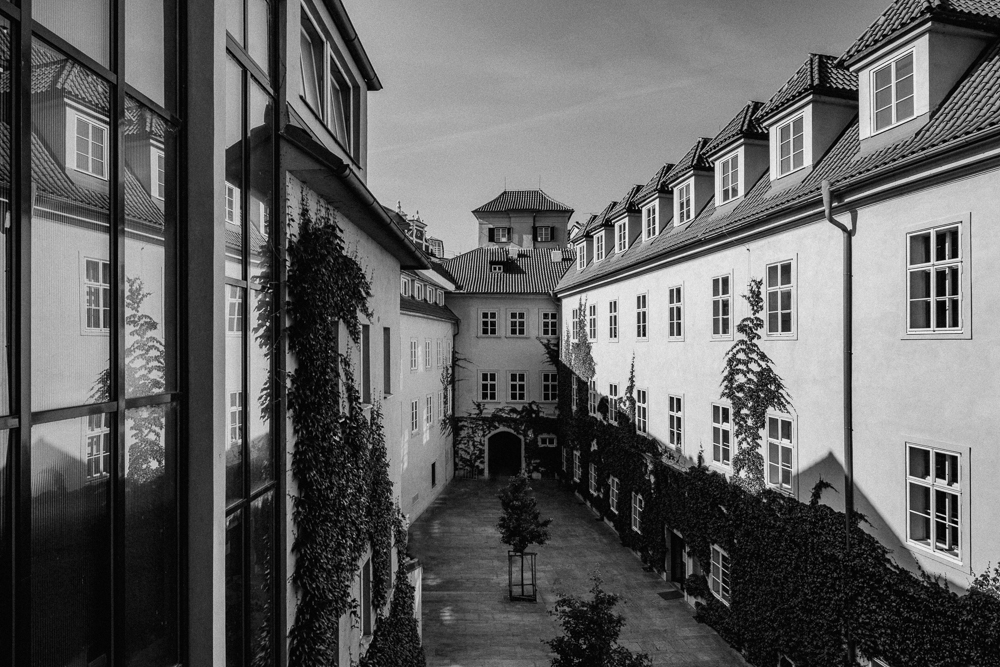
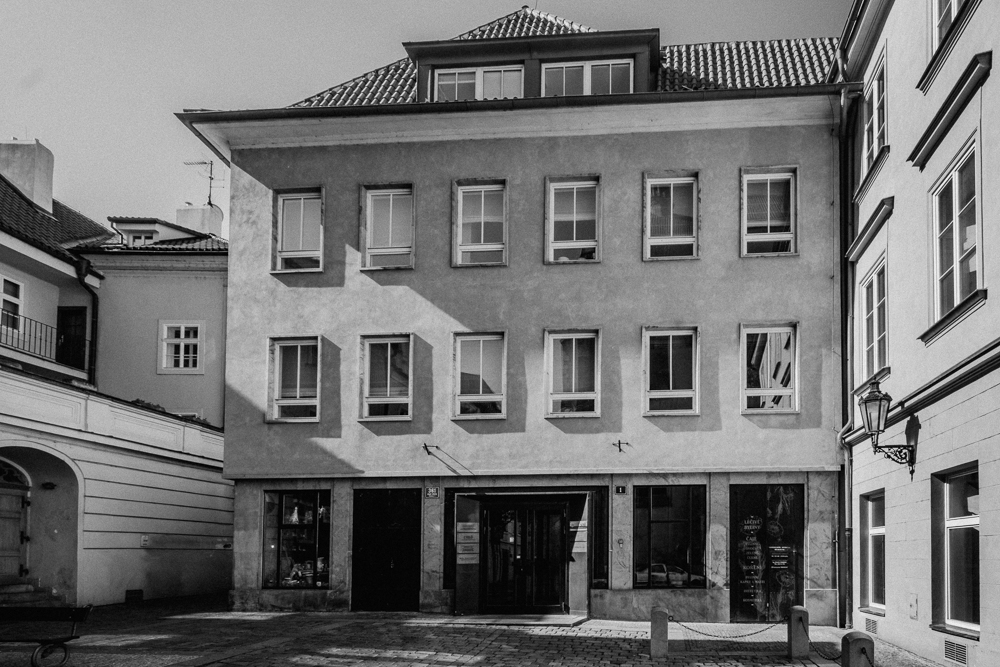
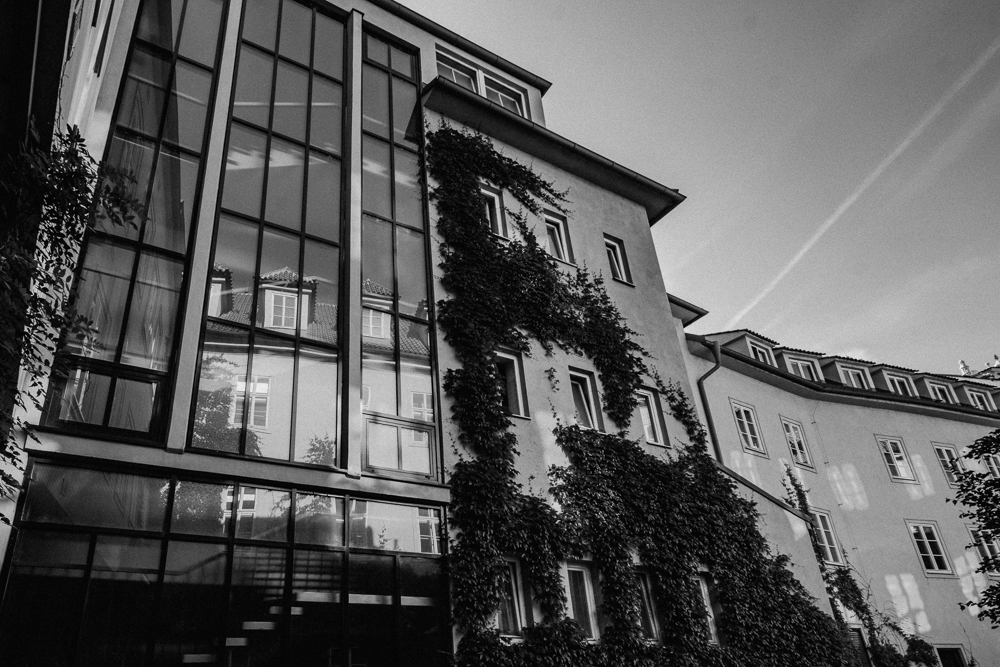
The history of the Jilská–Husova complex, which houses the Institute of Philosophy along with the Institute of Sociology and the Institute of Art History, is vividly depicted in the freely accessible e-book "House and Time" by František Pospíšil (Prague, 2016).
Library Services
Our publicly accessible libraries hold specialized collections comprising more than 110,000 volumes.