News and Articles

The Makers: Mobilizing Arts, Knowledge, and Education to Reclaim Human Agency. Strategies for the Age of Machine Thinking
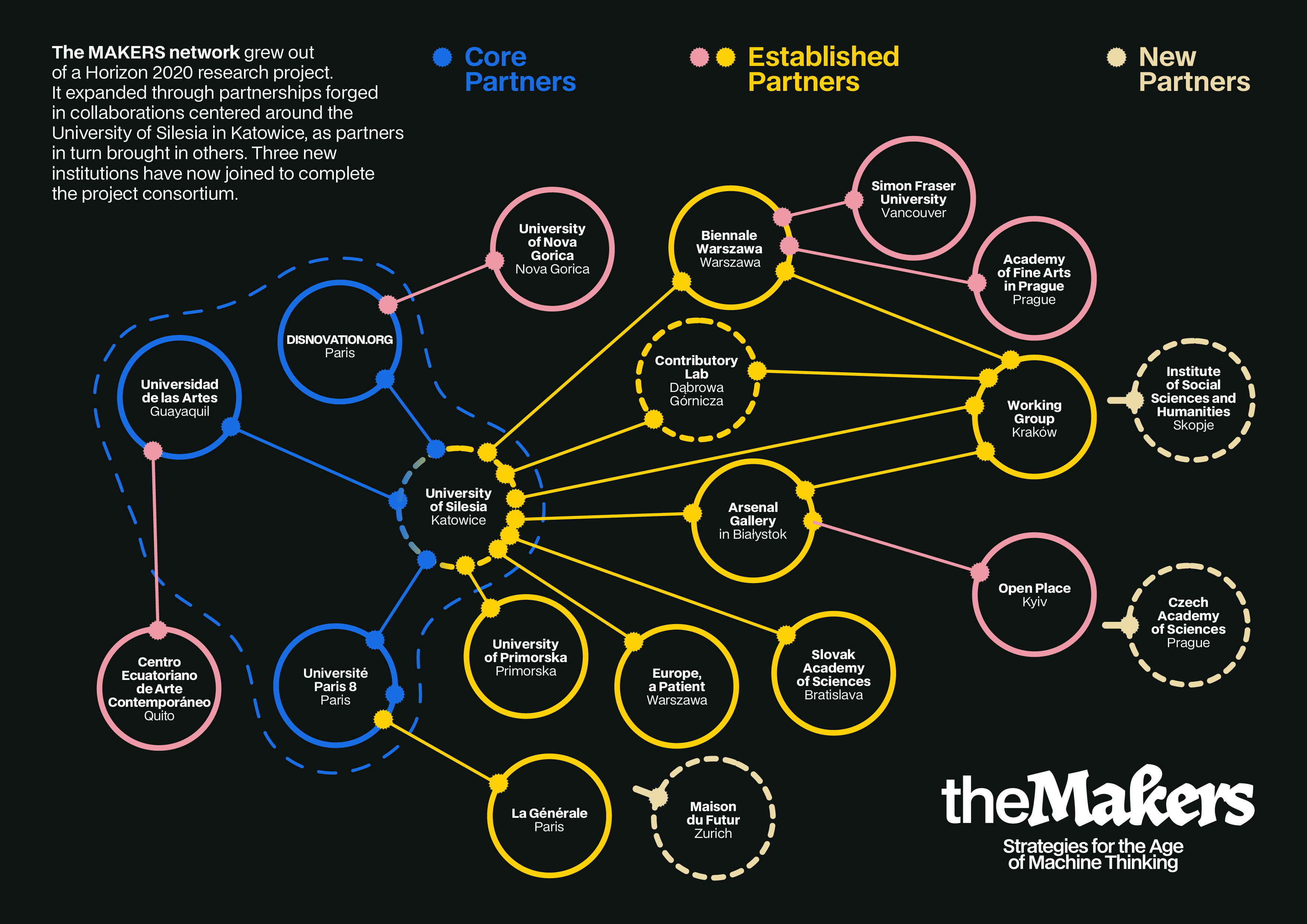
The Makers could be a name for a band, like the Beatles, the Ramones, or the Sex Pistols. But it isn’t. It is the name of an international research initiative in the humanities and arts, that brings together twenty partner organisations from ten countries, including universities, cultural institutions, and NGOs. Institute of Philosophy of the Czech Academy of Sciences is proud to be one of them.
Our aim is to strengthen human agency and address a fundamental question: what does it mean to have — or lack — a sense of agency in an age of machine thinking, when computational systems can perform tasks once considered the exclusive domain of human intellect and generate synthetic content that permeates everyday life?
Dreamability: to turn dreams into action
At the heart of the project lies the concept of dreamability, understood as the capacity to turn dreams into action and to imagine oneself in a desirable future by reshaping existing structures, both mental and institutional. Dreaming has transformative power. We believe that dreamability can be cultivated collectively and argue that it is a key component of the sense of agency.
The project operates in three areas. The first is the production of diverse, locally grounded knowledge. The second is education, bringing together critical media literacy, critical pedagogy, speculative design and political ecology in the spirit of contributory research, as developed by philosopher Bernard Stiegler. The third is the arts, through which we demonstrate that computational technologies can be redesigned to serve human flourishing beyond the values of capitalism.
Our work challenges the dominant paradigm in which education, professional development and so-called future skills, including creative or critical thinking, are treated primarily as tools for adapting people to market demands and to the pressures of AI adoption within institutions. Instead, we place human agency, dignity and revolt at the centre. We see them as the foundation for meaningful participation in social life and for reinventing the forms of knowledge needed to live decent lives in a world being rapidly reshaped by digitalisation and the ecological crisis of capitalism. This is precisely the kind of reinvention that dreamability makes possible and worth pursuing.
Follow us at https://themakers.us.edu.pl/
About the Project
Project n. 101299616 — THE MAKERS — HORIZON-MSCA-2025-SE-01
Launch date: 1 September 2026
Duration: 4 years
The Makers consortium consists of:
Academic Partners
University of Silesia in Katowice (PL, coordinator), Université Paris 8 (FR), University of Primorska (SI), University of Nova Gorica (SI), Academy of Fine Arts in Prague (CZ), Czech Academy of Sciences (CZ), Slovak Academy of Sciences (SK), Institute of Social Sciences and Humanities Skopje (MK), Universidad de las Artes (ECU), Simon Fraser University (SFU)
Non-Academic Partners:
Arsenal Gallery (PL), Working Group Foundation (PL), Contributory Lab Foundation (PL), Biennale Warszawa Foundation (PL), Europe, A Patient Association (PL), Disnovation.org (FR), La Générale Association (FR), Maison du Futur Transdisciplinary Cultural Platform (CH), Open Place Platform for Interdisciplinary Practice (UA), Centro Ecuatoriano de Arte Contemporáneo (ECU).
Funded by the European Union. Views and opinions expressed are however those of the author(s) only and do not necessarily reflect those of the European Union or the European Research Executive Agency (REA). Neither the European Union nor the granting authority can be held responsible for them.

- 15. 10. 2026
- Aktuality

More Science, Fewer Breakthroughs? Prague Symposium to Explore How Research Systems Can Foster New Ideas and Discoveries
Scientific output is expanding at an unprecedented pace, yet some studies suggest that genuinely disruptive ideas may be becoming less common. What does this apparent paradox mean for societies that look to science for new medicines, technologies, and solutions to climate change and other major challenges? And are today’s systems of research funding and evaluation equipped to support bold, unconventional, and potentially transformative ideas? These questions will be at the centre of the international symposium Novelty and Inequalities in Science, taking place in Prague on 8–9 October. The event is organised by the Centre for Science, Technology, and Society at the Institute of Philosophy of the Czech Academy of Sciences.
The symposium will bring together researchers and representatives of research institutions to examine how scientific novelty emerges, how it is recognised, and which conditions make it more or less likely to thrive. Discussions will address the measurement and evaluation of novelty, the funding of high-risk research, academic career trajectories, inequalities in science, and the selection mechanisms that shape which contributions gain recognition.
One of the keynote speakers will be Erin Leahey, Professor of Sociology at the University of Arizona and a leading scholar of the sociology of science and scientific careers. She is a co-author of a widely discussed study published in Nature that analysed 45 million scientific papers and 3.9 million patents. The study found that papers and patents have become less likely to disrupt established trajectories of knowledge and open up new directions, even as the overall volume of scientific production has increased dramatically. Leahey’s broader research also examines how different forms of novelty are produced and how they are recognised and rewarded within the scientific system.
The second invited speaker, Sotaro Shibayama of the University of Tokyo, studies the conditions that shape scientists’ capacity to develop new ideas. His work shows that originality is not simply a matter of individual creativity. It is also influenced by the environments in which researchers begin and develop their careers, including their choice of research topics, mentoring relationships, collaboration, and willingness to take intellectual risks. His research suggests, for example, that the time early-career researchers devote to formulating new research questions can have lasting effects on the originality of their later work. Other studies show that knowledge transfer between junior and senior scientists is not one-directional: younger researchers can also reshape the knowledge and perspectives of their mentors.
The issue of novelty therefore extends well beyond what happens in laboratories and universities. If societies want science to generate genuinely new ideas, they must also consider who is given the time, resources, and freedom to take risks.
For this reason, the symposium will also include a panel focusing on the practical governance and funding of research. Representatives of institutions that help shape the research system, including the European Research Council, will discuss how research policies and funding mechanisms influence the space available for novelty, risk-taking, and long-term projects whose outcomes are inherently uncertain.
Detailed information about the event
The event is co-funded by the European Union and is implemented as part of the project TRUST | Knowledge in the Age of Mistrust. Project registration number: CZ.02.01.01/00/23_025/0008711

- 5. 10. 2026
- Aktuality
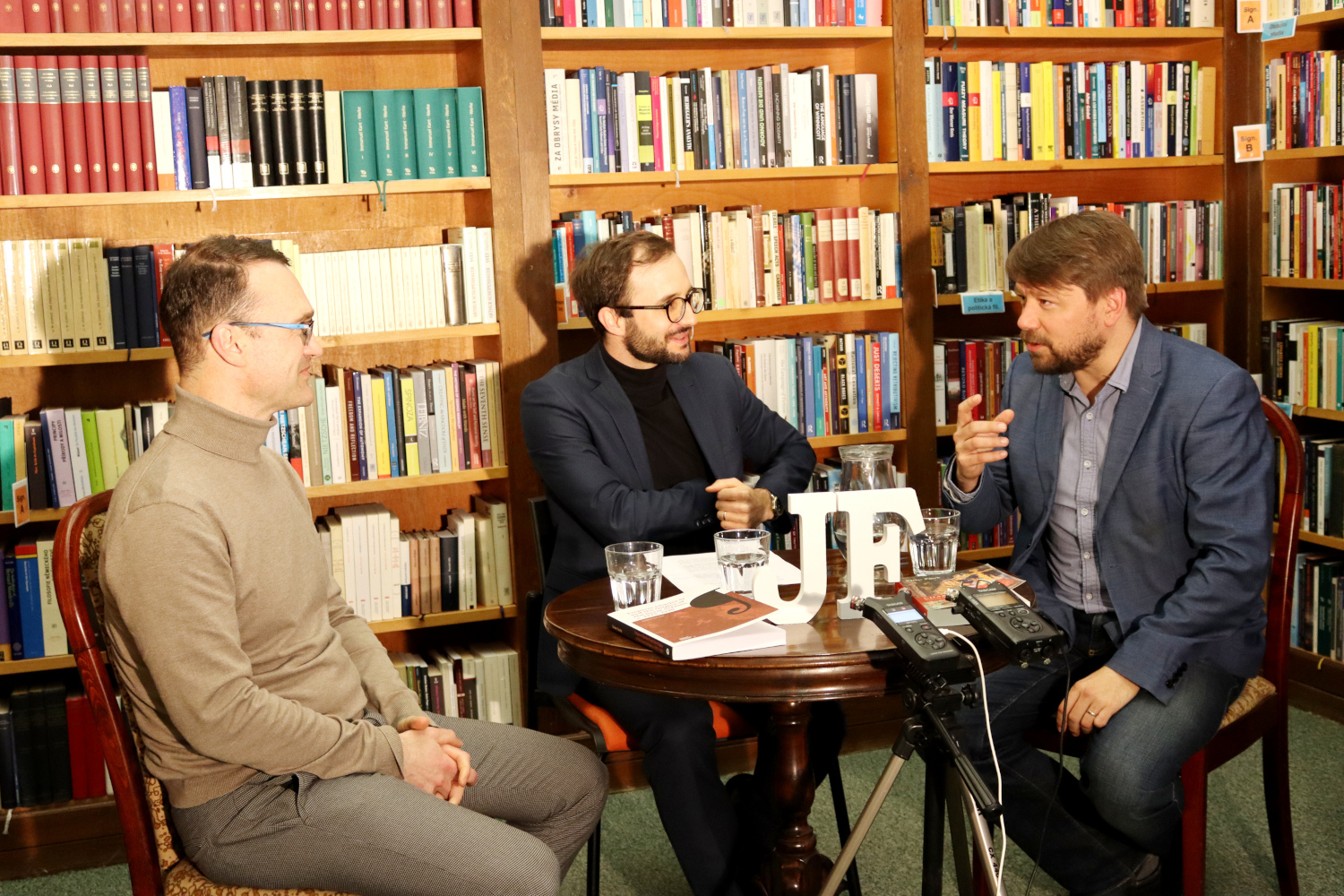
Lukas Kob: Prague is establishing itself as a major center for philosophy
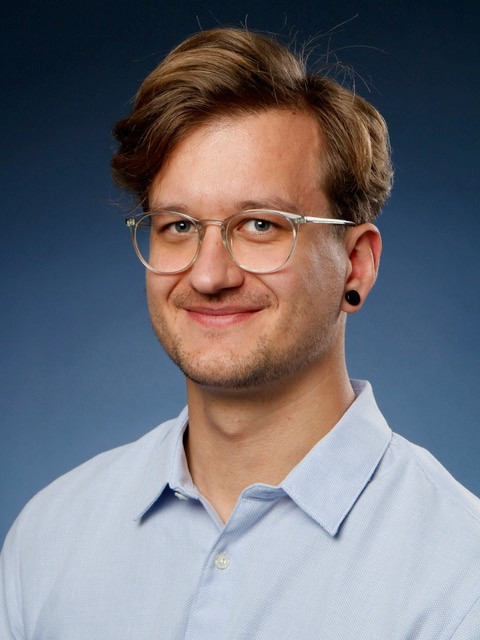
German researcher Lukas Kob has been a research fellow at the Institute of Philosophy of the Czech Academy of Sciences since last year, supported by a prestigious fellowship from the Alexander von Humboldt Foundation. In a commentary for the VědaVýzkum.cz portal, he explains why leading experts in the field from New York and Germany recommended the Czech capital to him for his postdoctoral research, and why he himself sees Prague as an important center for the philosophy of consciousness and artificial intelligence.
According to Lukas Kob, what makes the Czech academic environment unique is its strong philosophical tradition, active community, international connections, and the increasingly close links between philosophy, neuroscience, and artificial intelligence. He appreciates the fact that many of his Prague-based colleagues approach AI from the perspectives of philosophy of language, philosophy of science, ethics, or AI research itself. This means that researchers do not encounter only specialists from their own field, but also people who examine the same problems from different perspectives.
Dr. Lukas Kob of Otto von Guericke University Magdeburg has been working in the Department of Analytic Philosophy at the Institute of Philosophy of the Czech Academy of Sciences since October 2025 as a Feodor Lynen Postdoctoral Research Fellow, funded by the Alexander von Humboldt Foundation. His research focuses on the possibility of consciousness emerging in artificial systems. He applies philosophical insights into consciousness to recently successful AI architectures as well as to brain organoids — artificial “mini-brains” grown from stem cells. The aim is to gain a better understanding of the conditions under which artificial systems could potentially be considered conscious.
Read the full article on VědaVýzkum.cz
Lukas Kob
- 14. 9. 2026
- FLÚ v médiích
Bolzano’s Legacy, Divided for a Century, to Become Digitally Accessible in One Place; Project Led by Mexican Researcher Played a Key Role
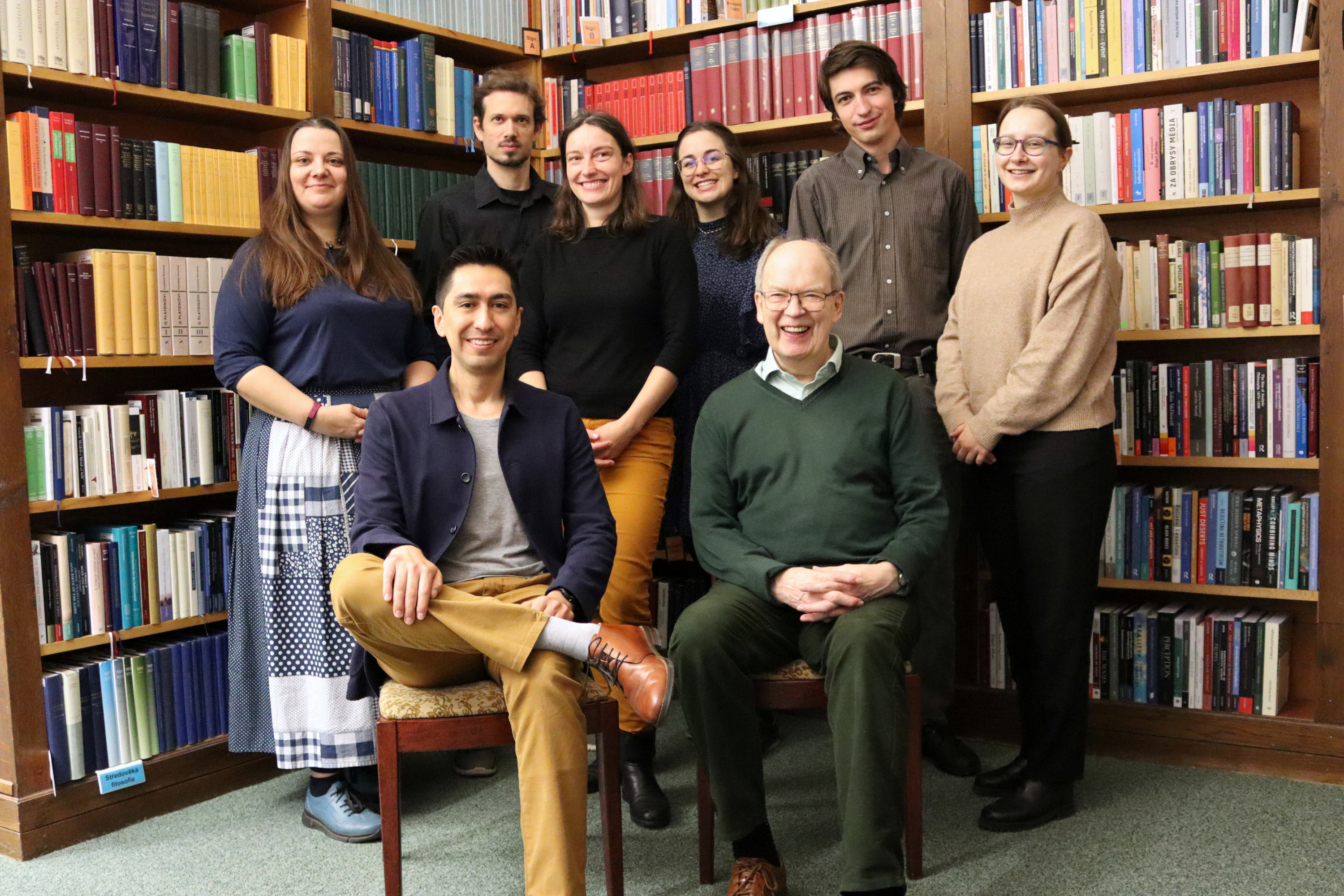
The extensive written estate of the prominent Czech philosopher and mathematician Bernard Bolzano, much of which has yet to be thoroughly explored, followed a remarkably complex path after his death in 1848. While one part eventually found its way into the collections of the National Museum and the Literary Archive of the Museum of Czech Literature in Prague, a collection consisting mainly of mathematical manuscripts was donated to the Imperial Court Library in Vienna, now the Austrian National Library. The two collections will now gradually be brought together and made accessible through the Bolzano Digital Archive. A breakthrough in the more than century-long history of unsuccessful attempts to bring the Vienna manuscripts back to the Czech lands was achieved by Bolzano scholar Elías Fuentes Guillén and his research team at the Czech Academy of Sciences.
As part of the PragMatika project, Elías Fuentes Guillén and his colleagues at the Institute of Philosophy of the Czech Academy of Sciences study the development of mathematics in Prague and the Czech lands in a broader European context. They examine and reconstruct mathematical practices used in teaching and in the writing of mathematical texts in the late eighteenth and first half of the nineteenth century. At the centre of their research is the Czech philosopher and mathematician Bernard Bolzano.
Fascination with Bolzano and the beginning of a journey towards a dream fulfilled
“I was immediately struck by the originality of Bolzano’s ideas, including the fact that many of them were not fully appreciated in his own time,” says Elías Fuentes Guillén. His encounter with Bolzano’s work even prompted him, early in his academic career, to change the topic of his doctoral dissertation. Once he became involved with the international community of Bolzano scholars, his future direction was set. It eventually brought him to Prague, where he received a Junior Star grant from the Czech Science Foundation for PragMatika, his research project focused on Bolzano.
Photo: The PragMatika project team, led by Elías Fuentés Guillén from the Institute of Philosophy of the Czech Academy of Sciences
Building the Bolzano Archive in Prague
In 2024, Elías’s team signed a cooperation agreement with the Museum of Czech Literature in Prague to gradually build a digital archive of Bolzano’s manuscripts. This part of the collection was assembled by Bolzano’s friend and pupil Michal Josef Fessl, who later bequeathed it to the Museum of the Kingdom of Bohemia. After Fessl’s death in 1864, Bolzano’s papers thus came to Prague. The collection was subsequently expanded by what is now the National Museum and, from 1964 onwards, by the Literary Archive of the Museum of Czech Literature.
The digitised materials include drafts of Bolzano’s works, his sermons, mathematical, philosophical and theological notebooks, as well as correspondence, lecture notes and numerous official documents. These include, for example, university certificates, materials relating to his dismissal from his position as professor of religious doctrine, documents connected with ecclesiastical proceedings, and his will.
This year, the researchers successfully completed the first phase of the Bolzano Digital Archive, digitising more than 36,000 pages of Bolzano’s written estate held in the Literary Archive of the Museum of Czech Literature in Prague. This part of the digitised collection will be made available on an open-access basis for non-commercial use by the end of this year. The data will be managed by members of Elías’s PragMatika team. The complete digitised archive based on the Museum of Czech Literature’s holdings is expected to be completed by the end of 2027.
The Vienna challenge and an unexpected breakthrough
Bernard Bolzano’s written estate, however, also has a second major part. During his lifetime, Bolzano entrusted it to Robert Zimmermann, who in 1892 donated the collection, consisting primarily of mathematical writings, to the Imperial Court Library in Vienna, now the Austrian National Library.
Czech efforts to bring these materials back began in the early twentieth century. The first attempts came after the establishment of independent Czechoslovakia, followed by further efforts in the 1920s, when the manuscripts were rediscovered and subjected to scholarly examination for the first time. Neither attempt was successful.
Elías regarded the idea of incorporating the Vienna holdings into the Bolzano Digital Archive as something of a “wildest dream.” He set out to establish cooperation with the Austrian National Library, photographed manuscripts, built contacts and explored ways to move the digitisation of the Vienna materials forward. When it became clear that Bolzano ranked relatively low among the Austrian National Library’s digitisation priorities and that the manuscripts might otherwise wait many more years to be digitised, he began looking for a solution backed by stronger institutional support. He secured support from the Presidium of the Czech Academy of Sciences and from colleagues in Germany and the United Kingdom, while also preparing a detailed case of his own. Then came an unexpected breakthrough.
After more than a year of negotiations, the Institute of Philosophy of the Czech Academy of Sciences and the Austrian National Library reached an agreement under which Bolzano’s manuscripts will be moved up the digitisation queue. The costs, which were substantially reduced, will be covered by the Czech side. As a result, approximately another 11,500 pages of Bolzano’s estate held in Vienna will be made available in the gradually expanding Bolzano Digital Archive as public-domain material. They will also be accessible through the Austrian National Library’s website.
For the first time, the two most important collections of Bolzano’s manuscripts, which ended up in different places after his death, will thus be brought together in one place, albeit digitally. This brings to completion a process that Czech scholars had pursued in various forms for more than a century. The manuscripts themselves will, of course, not physically return from Vienna. Digitisation will, however, allow their contents once again to become part of the Czech research environment and to be accessible to anyone wishing to study them.
 Photo: Excerpt from the manuscript entitled “Versuch, die Schwierigkeiten, die man bisher in der Erklärung des Phänomens der Aberration gefunden hat, zu heben” (“An Attempt to Overcome the Difficulties Hitherto Encountered in Explaining the Phenomenon of Aberration”), dating from the mid-1840s: Austrian National Library Archives (ÖNB), Cod. Ser. n. 3474 b. The manuscript was digitised by the Austrian National Library in collaboration with the Institute of Philosophy of the Czech Academy of Sciences through the PragMatika research group (GA ČR grant project 23-06540M). Available under the Public Domain Mark 1.0.
The Bolzano Archive as a new beginning
Among the Vienna materials, Bolzano’s earliest mathematical notebooks are particularly valuable for research. They show, for example, how closely he read the works of contemporary French mathematicians working in higher mathematics in the early nineteenth century—something that was unusual in Prague at the time.
He not only studied their methods but also independently reinterpreted them and applied them to different problems. The prospect of unexpected discoveries is more than hypothetical. Elías points out that scholars studying Bolzano’s manuscripts in the past found that some of his mathematical ideas anticipated later developments by several decades. The manuscripts that have yet to be explored may therefore contain further important passages.
Making the manuscripts available digitally does not mean that all of them will immediately have been read, transcribed and subjected to scholarly analysis. Elías openly acknowledges that, given the sheer volume of material, there are documents that his team has not yet transcribed and, in some cases, has not even read. Yet he sees precisely this as one of the archive’s greatest strengths: it will enable other researchers to access materials that have so far remained unexplored.
The creation of the digital archive is also tied to a broader ambition: to establish the first European centre of its kind dedicated to Bolzano research—one that will not only preserve and provide access to primary sources, but also bring together an international network of scholars around them.
- 28. 8. 2026
- Aktuality
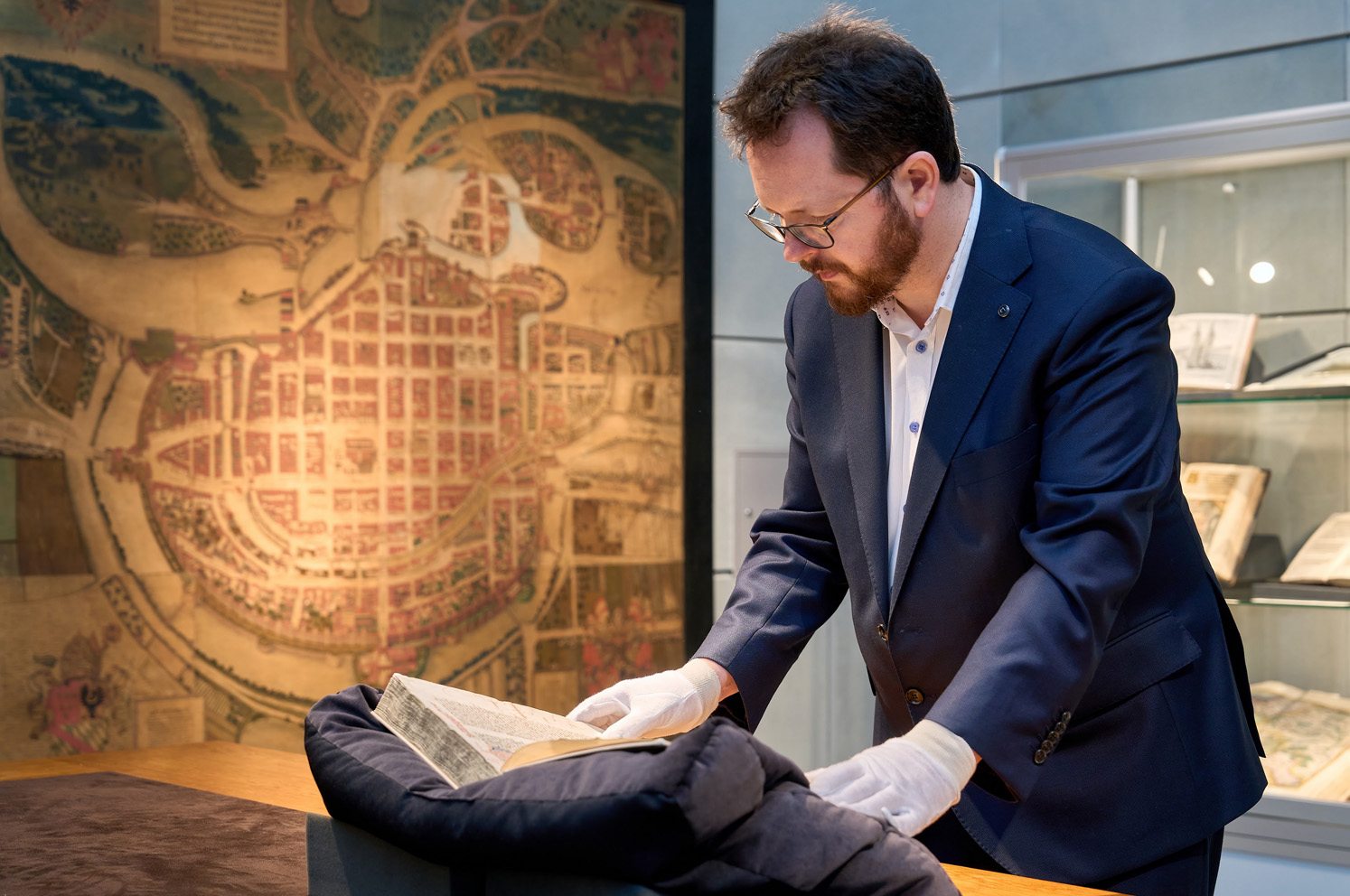
Dr Antoine Haaker: a Detective with Virgilian Diction in Prague
The Wrocław copy of the important medieval encyclopaedia of natural history and medicine Hortus Sanitatis (The Garden of Health) offers, among other things, valuable evidence for the richness of Czech intellectual life in the Renaissance. This copy and its significance will soon be presented by classical philologist Dr Antoine Haaker during his research stay at the Centre for Classical Studies of the Institute of Philosophy of the Czech Academy of Sciences. Dr Haaker is a classical philologist from France, working at the Wrocław University Library, where he is known for his crucial role in identifying and recovering several stolen medieval and Renaissance manuscripts and valuable early printed books of major importance.
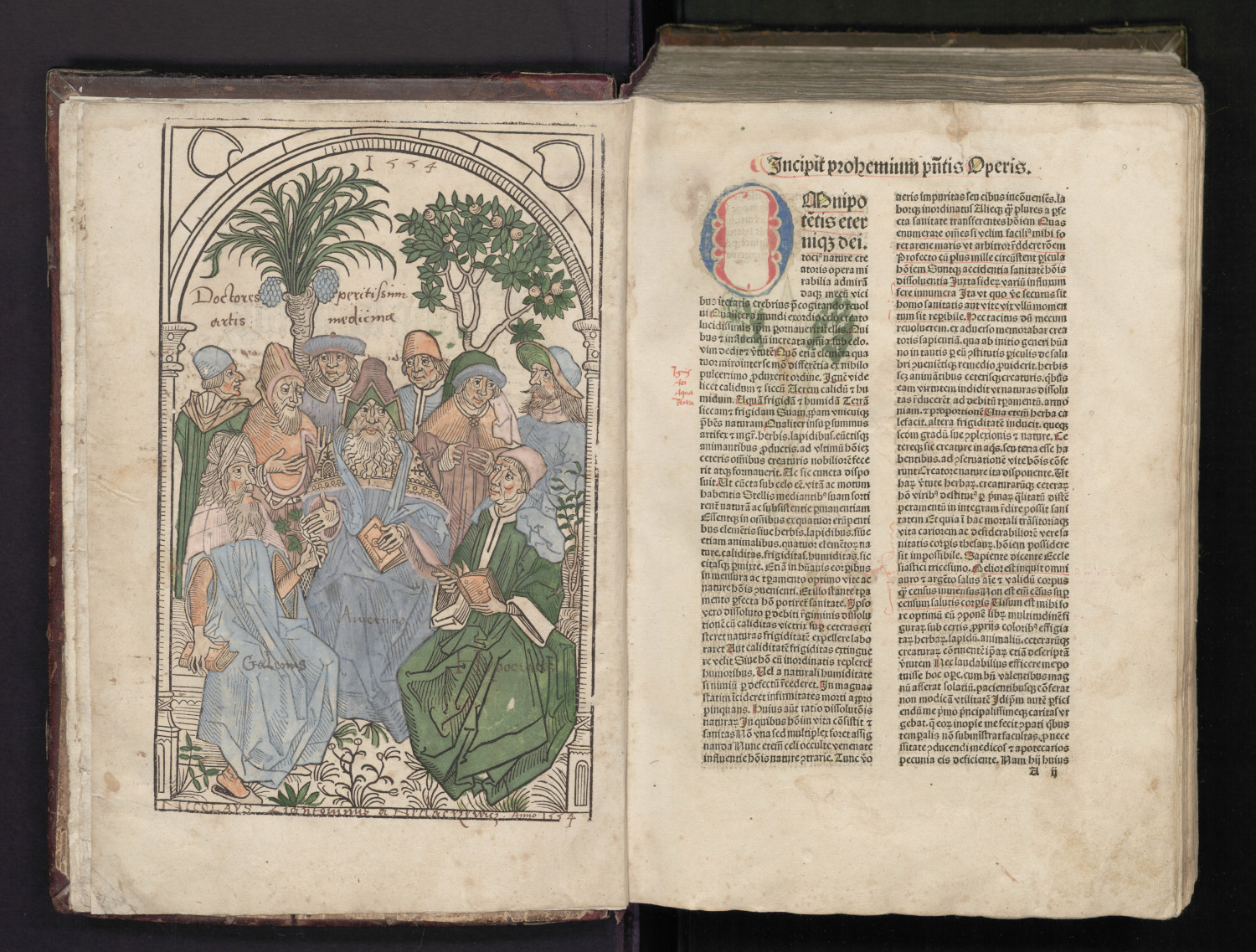
The Wrocław Copy of the Hortus Sanitatis
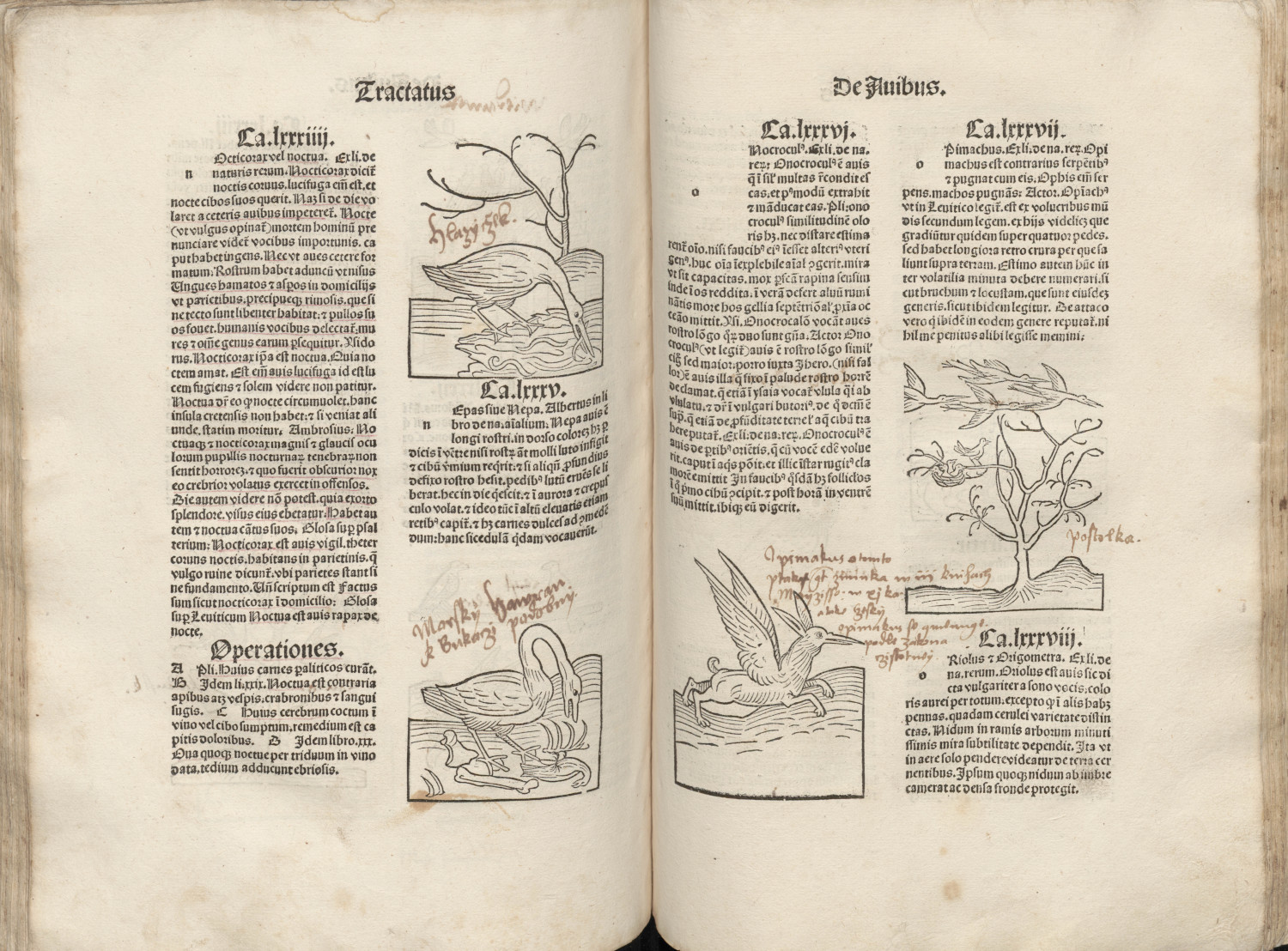
The Hortus Sanitatis, first printed in Latin in Mainz in 1491, survives in numerous copies. One of them is now preserved in the Wrocław University Library. This particular copy is especially remarkable for the abundance of annotations added to its margins by its Czech owners during the Renaissance. These include numerous translations of the names of rare plants, animals and insects, which may constitute a valuable source for Czech lexicography.
The Wrocław Copy of the Hortus Sanitatis / Foto: Wrocław University Library
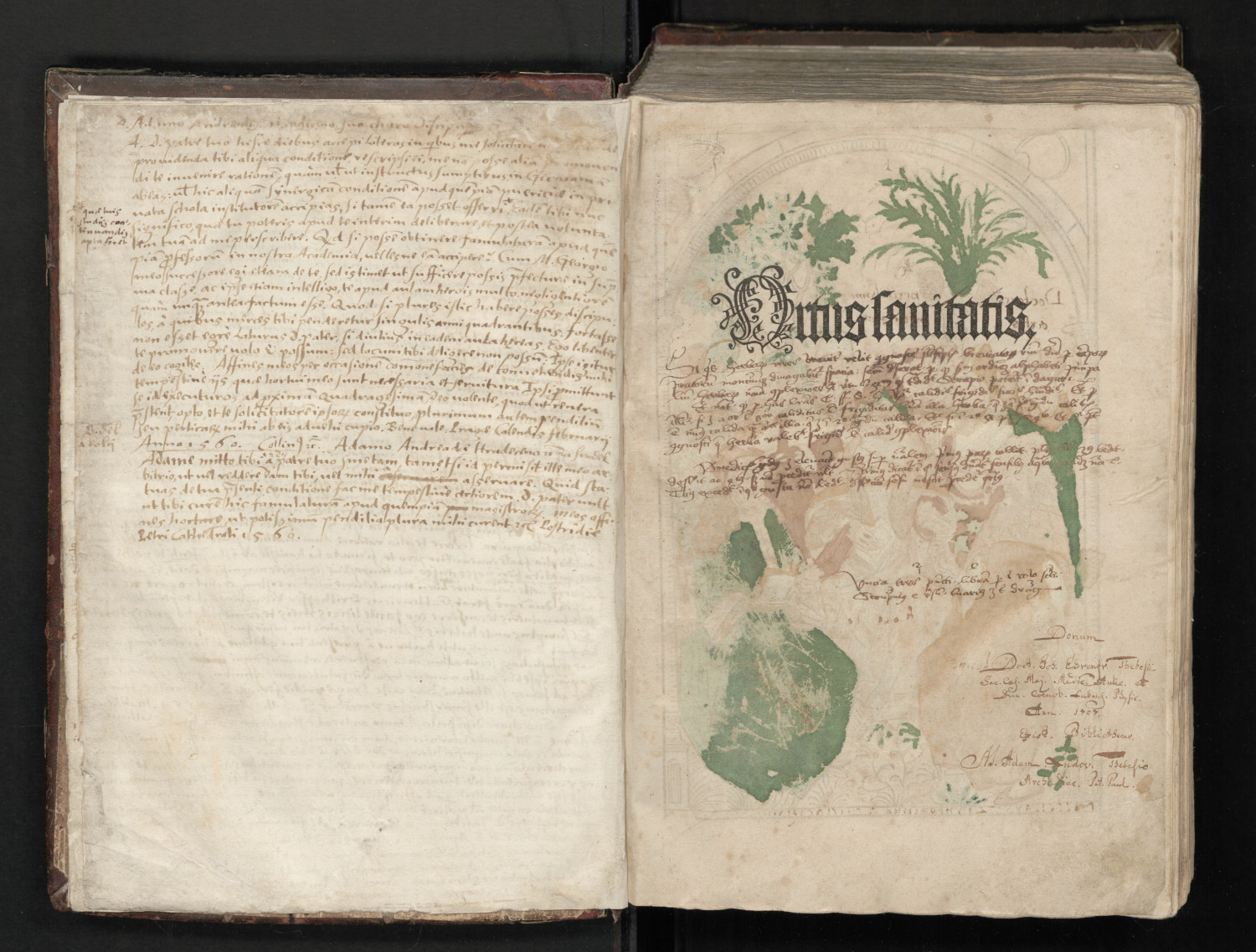
One of the annotators, Adam Lewharticzenus of Hradec Králové, also inserted additional leaves at the beginning and end of the incunable containing a handwritten copy of his correspondence. Altogether, it comprises 26 letters as well as various historical and autobiographical notes in Latin. The material provides valuable insight into the life of a sixteenth-century burgher of Hradec Králové while also illuminating broader questions concerning education, patronage and religious history in the period.
Because Lewharticzenus maintained contacts with prominent scholars and writers, including his teacher Matouš Collinus, the poet Matouš Hozius and Vojtěch Bauzek, the first Czech to enter the Jesuit order, his letters also shed new light on certain aspects of the literary history of the Czech lands.
The Wrocław Copy of the Hortus Sanitatis, letters Collinus, letters Hosius / Foto: Wrocław University Library
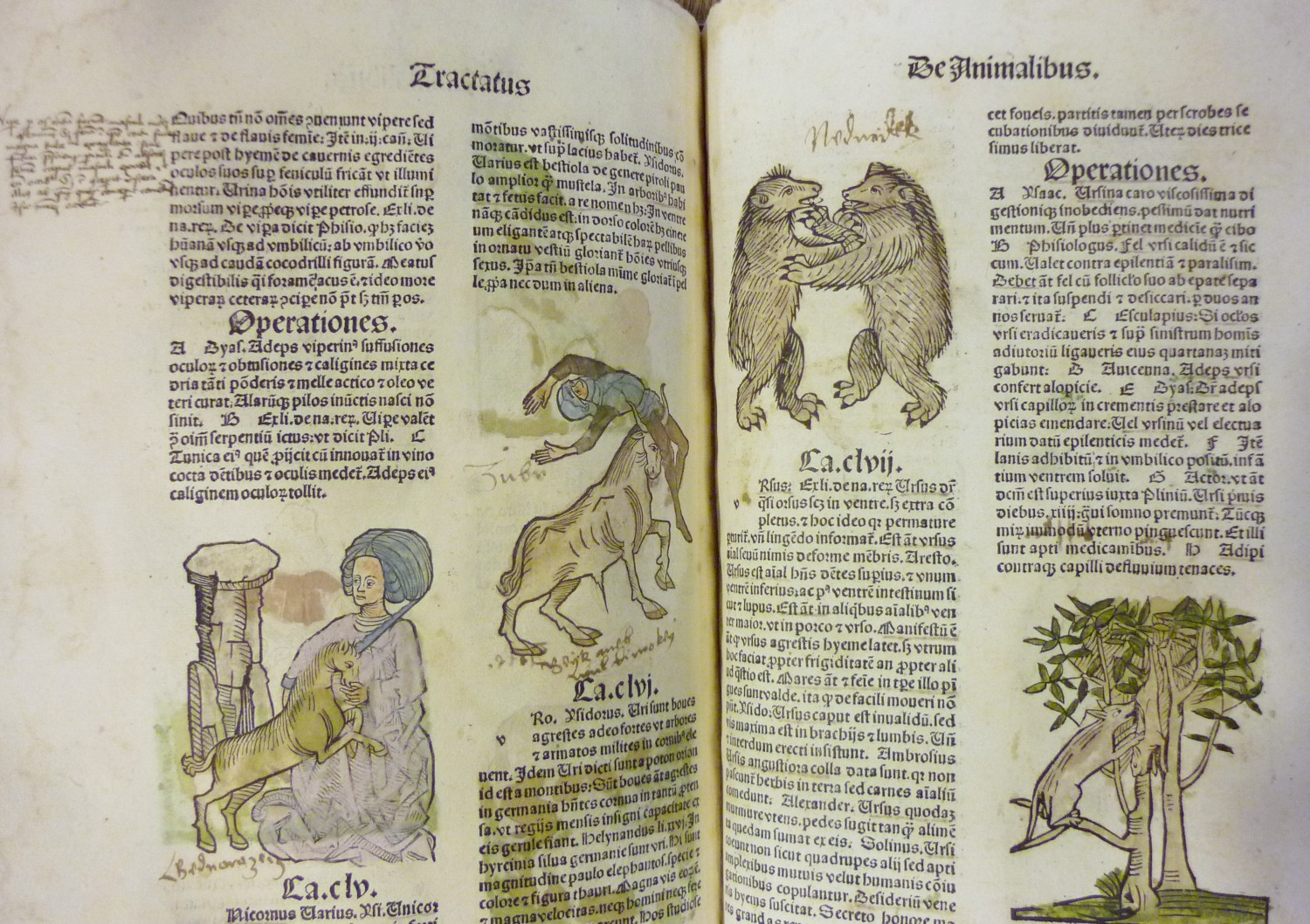
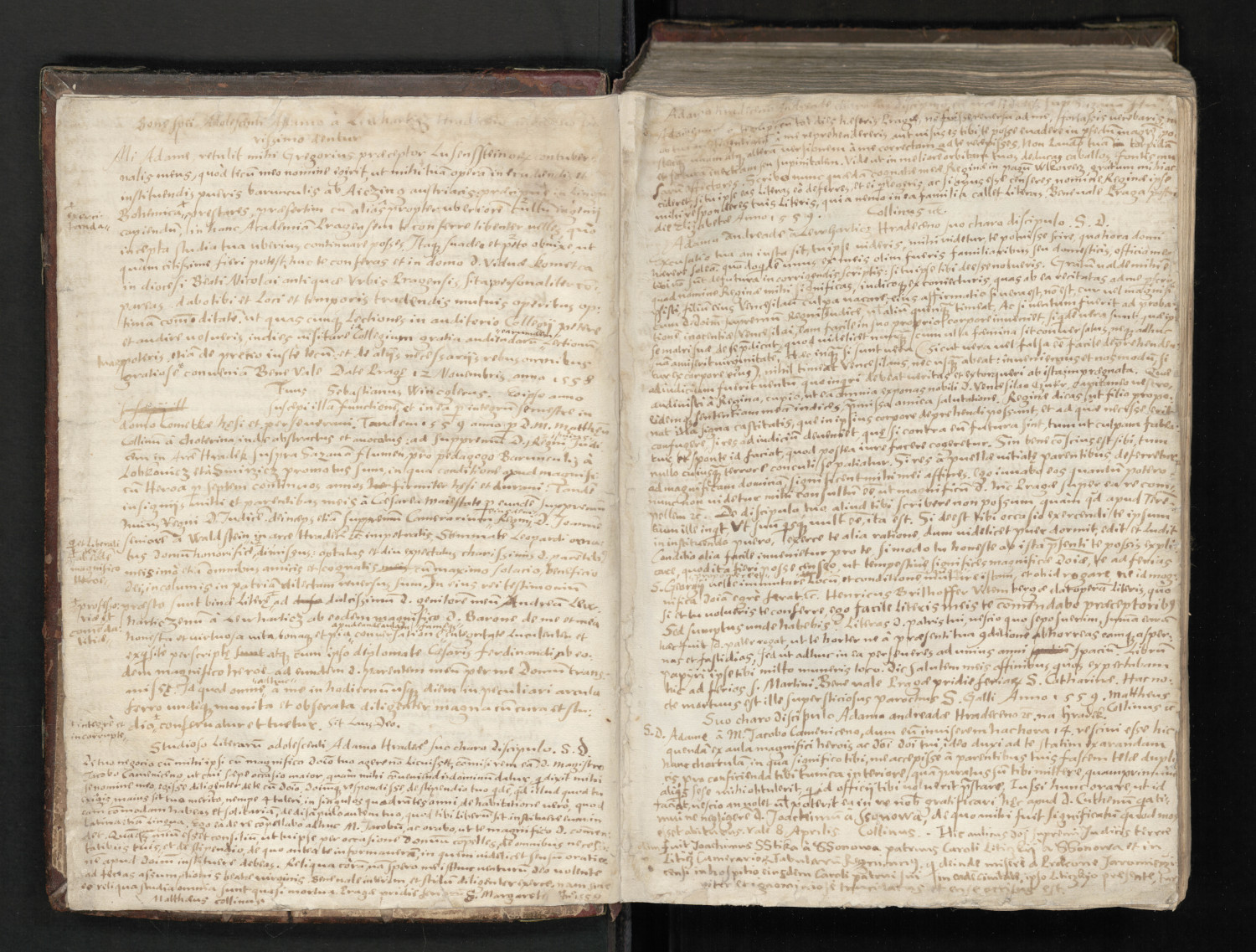
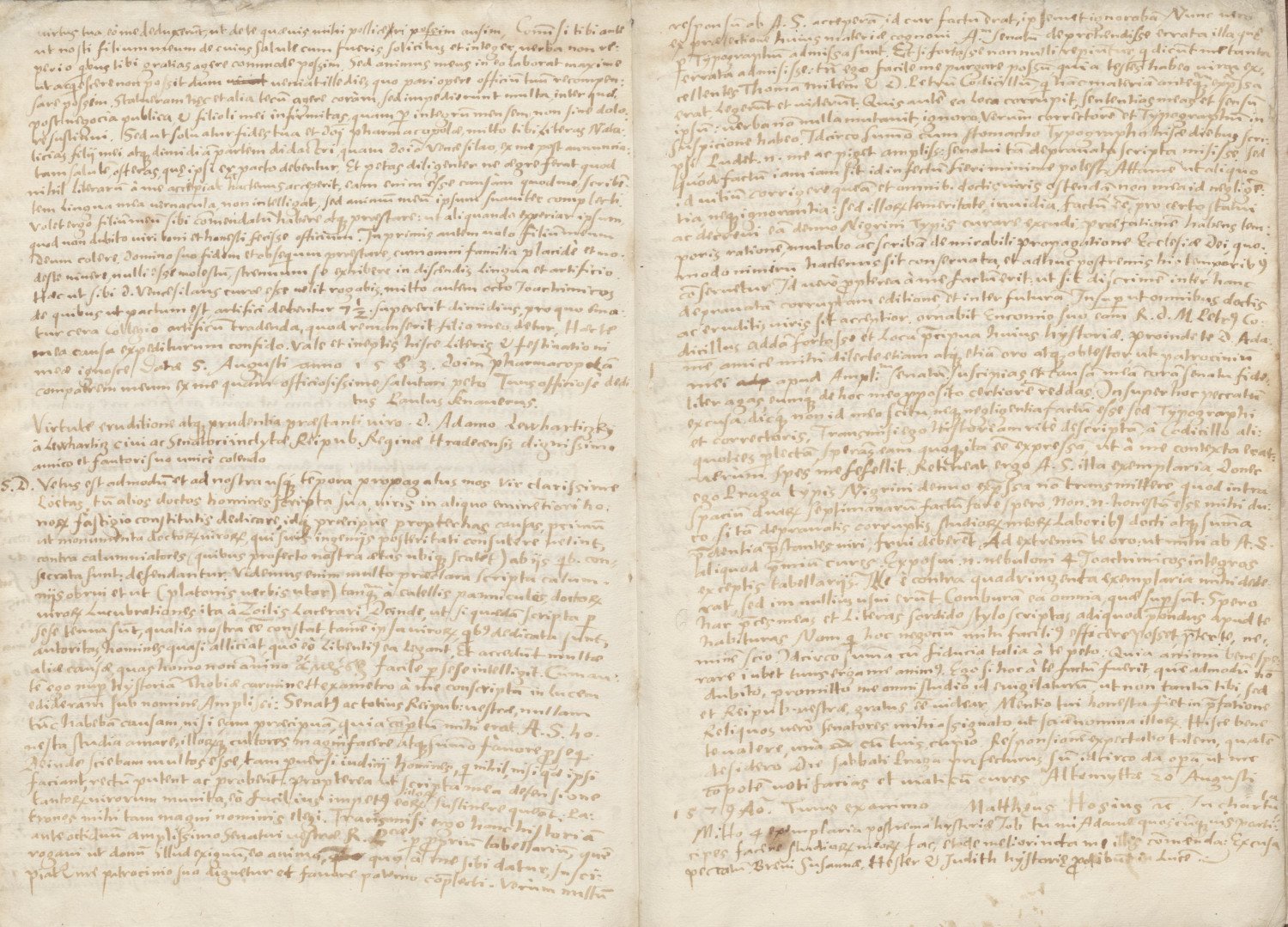
Dr Antoine Haaker will present the results of his research on this Wrocław copy of the Hortus sanitatis in a lecture entitled Quid Vratislaviense exemplum Horti sanitatis anni 1491 ad cognitionem sermonis et historiae litterariae Boëmorum conferat, on 24 August at 4:30 p.m., in the meeting room of the Institute of Philosophy of the Czech Academy of Sciences, Jilská 1, Prague 1.
The lecture will be delivered in Latin, a language Dr Haaker speaks fluently.
Hunting for Lost Treasures
Dr Antoine Haaker works in the Manuscripts Department of Wrocław University Library. Its collection of medieval manuscripts is the largest in Poland, and an important one in Central Europe. Among the greatest treasures of the Library are a herbal dating from the age of Charlemagne, the only surviving original copy of the oldest known map of Russia, and an illuminated copy of Homer’s Iliad, one of only three such manuscripts in the world.
After work, Antoine Haaker sometimes searches for valuable books that once belonged to the library but were subsequently lost. In addition to wartime losses and items destroyed in 1945, there are also works that disappeared under other circumstances. From time to time, such items resurface in auction-house and antiquarian bookseller catalogues.
Proving that a manuscript or printed book once belonged to the library and was not legally removed from it, however, requires careful investigation. This usually involves the gathering of documentary and bibliographical evidence, a good deal of reasoning, and a detailed physical examination of the object in order to identify traces of erased library stamps, ownership inscriptions, distinctive features of the binding, or other unique characteristics. It is a multi-stage process in which locating an item in an auction catalogue is merely the beginning of what may become a highly complex negotiation.
The Return of a Lost Manuscript and Other Works
In February 2026, Wrocław University Library recovered a fifteenth-century manuscript containing works by St Augustine. The manuscript was produced by Brother Andreas of Złotoryja at a Carthusian monastery near Legnica. It contains more than 200 leaves and five works by St Augustine, including his famous autobiography, the Confessions. Richly decorated with thirty pen-flourished initials, it is a valuable witness to the medieval written culture of Silesia.
The Augustinian texts had at some point been cut out of a larger volume and subsequently sold as a separate codex. The thief worked so cleverly, that the theft remained unnoticed for almost 40 years. He knew that librarians checked regularly whether each manuscript was on the shelf. For this reason, he did not steal an entire volume, but specifically chose a thick manuscript very poorly described in inventories and never microfilmed, and cut out only a part of it that could be sold separately, as a single volume. Neither the Wrocław librarians nor the owners of the newly formed codex of Augustine did notice anything.
Recovered a fifteenth-century manuscript containing works by St Augustine/ Foto: Pawel Piotrowski
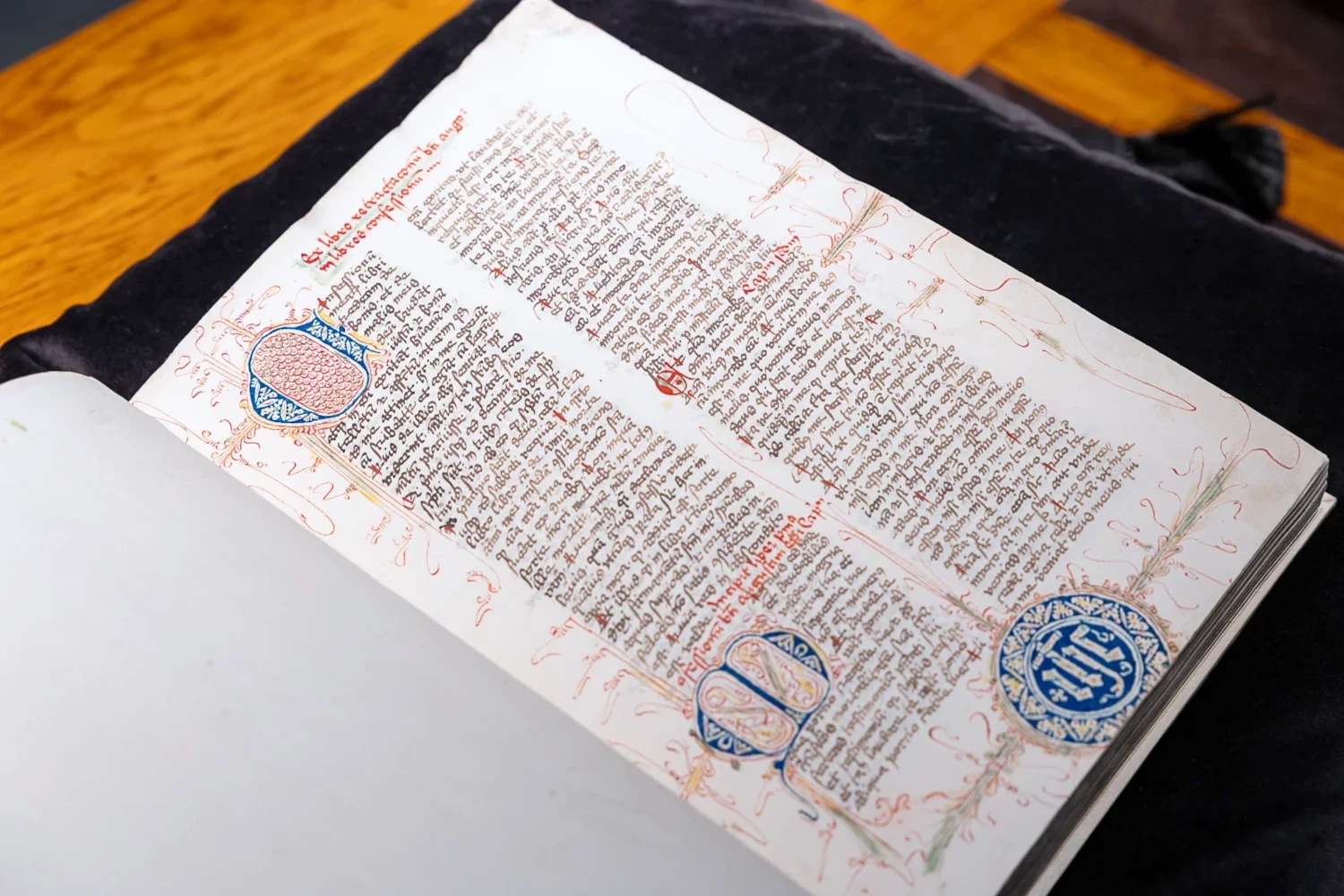
It was Dr Antoine Haaker who first drew attention to the missing sections, established their contents on the basis of an old German publication, recognized them when they appeared on the Parisian market in 2025, and subsequently demonstrated through meticulous research that the leaves had been stolen only after the war, by which time the manuscript was already part of the collections of the University of Wrocław.
This is not Haaker’s only piece of scholarly detective work. Thanks to his efforts, the Wrocław University Library has also recovered an anthology of Turkish poetry from the age of Suleiman the Magnificent, two scarce first editions of Karl Marx, and a beautifully illuminated fifteenth-century manuscript of Cicero’s philosophical works.
-----
Dr Antoine Haaker is a French classical philologist. He studied Classics in his native country, Italy and the United States, before earning a doctoral degree in Wrocław, by writing a 800-page dissertation in Latin about the 17th century scholar Claudius Salmasius.
He currently works in the Manuscripts Department of Wrocław University Library, where he is known for his role in identying and recovering a number of medieval and Renaissance manuscripts and valuable printed books that once belonged to the collections.
He is currently conducting research at the Centre for Classical Studies of the Institute of Philosophy of the Czech Academy of Sciences as a Josef Dobrovský Fellow. His project focuses on a Wrocław copy of the Hortus sanitatis (The Garden of Health) and the evidence it provides about Czech intellectual life.
Dr. Antoine Haaker / Foto: Oleksandr Poliatovsky
- 13. 8. 2026
- Aktuality
Policy Brief: Improving Existing EU Policy to Preserve Cognitive Agency
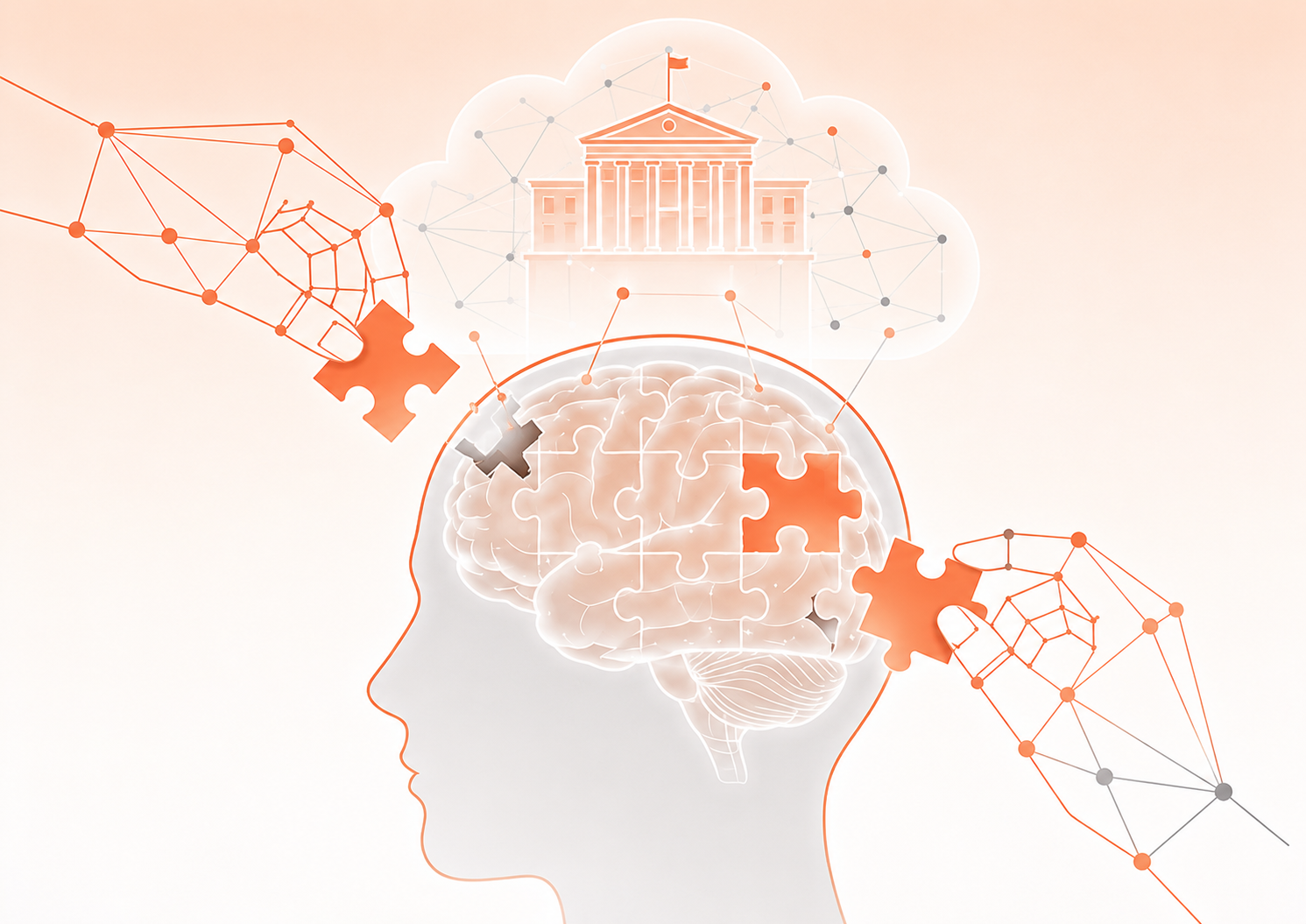
Social media and generative artificial intelligence (genAI) are driving a structural transformation of online information environments, making it increasingly difficult for citizens to determine which sources are credible, which claims are trustworthy, and whether content is human-generated or synthetic. This transformation is undermining cognitive agency: namely, citizens’ ability to assess and revise beliefs independently. Without it, democratic deliberation and self-determination falter.
As current EU regulation does not sufficiently address these changes, a group of experts affiliated with the Centre for Environmental and Technology Ethics – Prague (CETE-P) at the Institute of Philosophy of the Czech Academy of Sciences presents three key recommendations in a new Policy Paper:
- Expand the definitions of systemic risk and manipulation in the AI Act and the DSA to capture harms from synthetic content to information environments.
- Strengthen cognitive agency by expanding digital literacy programs in the Democracy Shield Initiative.
- Improve DSA enforcement to protect information environments through better research access and resources.
It was a joint project of CETE-P's Tuğba Yoldaş, John Dorsch and Paula Gürtler in cooperation with Jacqueline Bellon, Jakub Šimko, Matúš Mesarčík, Sara Solarova and Andrew McIntyre.
Czech version of the Policy Paper will follow. There will be a Policy Paper Nr. 2 in this series to follow.
- 14. 7. 2026
- Aktuality

Cutting-edge research and active engagement in public debate
The latest Annual Report of the Institute of Philosophy of the Czech Academy of Sciences goes beyond the legally required information, offering a vivid overview of the Institute’s research activities and its role in public debate.

- 3. 7. 2026
- Aktuality

The Scot Who Opened the Door to Modern Thought: Philosopher David Hume Still Sparks Debate Today
The Scottish philosopher David Hume has fascinated scholars and the wider public for three centuries. He continues to attract attention not only because of his views, some of which are controversial today, but also because, in the 18th century, he introduced a new and more radical conception of philosophy that profoundly shaped the development of European thought.
“He stands at the threshold between older modes of thinking and something we call European modernity,” says Hynek Janoušek of the Institute of Philosophy of the Czech Academy of Sciences, who is also one of the main organizers of an international conference dedicated to David Hume. This year’s conference, subtitled The New Life of David Hume, will take place in Prague from 29 June to 3 July and will cover topics ranging from history and the history of ideas to the reconstruction of Hume’s biographies.
One of the conference’s main aims is to present Hume’s thought in its full complexity and subject it to critical reflection. “Hume made a fundamental contribution to theories of the soul and consciousness, moral and political philosophy, legal theory, and aesthetics,” Janoušek adds. In his own time, however, Hume was best known as a founder of modern historiography, having written the first multi-volume history of England, which was quickly translated into several foreign languages.
On Human Nature
According to Janoušek, what draws scholars to Hume today is his radical understanding of human nature. In exploring it, Hume returned to fundamental questions and approached them in a new way, while drawing inspiration from classical philosophy written in Latin. These included questions such as suicide and the immortality of the soul, on which he took positions opposed to Christian doctrine. He did so using concepts and methods that may seem almost self-evident today, yet in ways that remain striking. On the one hand, he shared the optimism of emerging modernity and the belief that both nature and culture could be studied experimentally and that their empirical regularities could be described. On the other hand, he argued that, in the process of cognition, the human mind itself helps shape the world of experience and the regularities it perceives within it. It does so on the basis of principles that cannot themselves be rationally justified. For Hume, the basic categories through which we understand reality therefore have the character of necessary fictions.
Although Hume is one of the great figures of the Enlightenment, some of his views are deeply troubling from today’s perspective. While he was relatively progressive in his views on women and condemned the slave system of ancient Rome, he also accepted the slave trade of his own time, regarded Black Africans as inferior, and invested in sugarcane plantations. Janoušek points out, however, that Hume’s positions need to be understood in the context of his era. “You can condemn him as a historical figure, but you do so using the very tools he himself helped to provide,” he adds.
This year’s 52nd Annual Hume Society Conference, titled The New Life of David Hume, will bring together eighty participants from eighteen countries, including Canada, Ireland, and Brazil. The conference is organized by the Institute of Philosophy of the Czech Academy of Sciences and the Faculty of Humanities at Charles University. The event is supported by Strategy AV21, the Hume Society, and the Faculty of Arts at Charles University.
About the Hume Society
Founded in 1974, the Hume Society is an international organization of scholars from dozens of countries. Its mission is to support research on all aspects of the thought and work of David Hume, the 18th-century Scottish philosopher, historian, and essayist. Membership is open to anyone interested in Hume and his philosophical and literary contemporaries.
- 30. 6. 2026
- Aktuality
Joint Statement by Czech Academic Institutions in Support of the Russian Philosopher Svetlana Mesyats
The Institute of Philosophy of the Czech Academy of Sciences, together with other academic institutions in the Czech Republic, has issued a statement in support of the Russian scholar of ancient philosophy Svetlana Mesyats, who works at the Institute of Philosophy of the Russian Academy of Sciences. Her case raises serious concerns about academic freedom and the personal safety of scholars in Russia.
Dr Mesyats was arrested in May 2026 and placed under house arrest over alleged irregularities in the reporting of results from a research and translation project, and now faces a prison sentence of up to ten years. Given her international scholarly reputation, the nature of the low-cost humanities project, and the broader context of long-standing pressure on the Institute of Philosophy of the Russian Academy of Sciences, there is concern that the property-related charges may be serving as a pretext for political and ideological control over the academic institution and its direction. The Czech historical experience of the persecution of academics between 1948 and 1989 reinforces the fear that this case may likewise be an instance of suppressing free scholarship under an ostensibly legal pretext.
JOINT STATEMENT BY CZECH ACADEMIC INSTITUTIONS IN SUPPORT OF THE RUSSIAN PHILOSOPHER SVETLANA MESYATS
We are following the events at the Institute of Philosophy of the Russian Academy of Sciences in Moscow with great concern. Our colleague Svetlana Mesyats, Ph.D., was arrested on May 19, 2026, and subsequently placed under house arrest. This occurred in connection with alleged irregularities in the reporting of results from a seven-year research and translation project in the field of ancient philosophy. Several of her colleagues were also detained and interrogated. Dr. Mesyats has been charged with a property-related offense, for which she faces up to ten years in prison.
Dr. Mesyats is an internationally renowned and respected expert in her field. She has published studies on ancient Neoplatonism and the Aristotelian tradition, as well as a monograph on Goethe. She has served as a visiting scholar at several German universities and is a member of the International Society for Neoplatonic Studies. Czech and foreign colleagues who know Dr. Mesyats as a conscientious, modest, and honest person consider the charges brought against her to be highly improbable. Moreover, property-related charges of this severity in connection with low-cost projects such as the translation of philosophical texts from Classical Greek are extremely unusual.
In our view, Dr. Mesyats’s case must be viewed in the context of long-standing and well-documented efforts to subject the Institute of Philosophy of the Russian Academy of Sciences to stricter ideological and state control. The Institute has repeatedly been accused of being “pro-Western” and “liberal.” There have also been public calls for its employees to undergo ideological vetting. The study of Aristotle’s writings, to which Dr. Mesyats’s project was dedicated, was labeled in some of these attacks as “pro-Western,” “pro-democratic,” and therefore “unpatriotic” or hostile to Russian culture. In this context, the question arises as to whether the alleged doubts about the proper reporting of the project’s results do not in fact conceal an effort to exert political and ideological control over the Institute of Philosophy and over the type of scientific activity conducted there.
The experience of our country from 1948 to 1989 reminds us that in a totalitarian state that systematically violates human rights, academic freedom is often restricted as well. We know that many academics, particularly in the humanities, were persecuted for their political views or simply for refusing to conform to the party line in their work. This injustice was often given the appearance of legitimacy through spurious charges. Against the backdrop of this experience, we consider it our duty to express serious concerns not only about academic freedom in the Russian Federation, but also about the personal safety of Dr. Mesyats and her colleagues.
ENDORSED BY:
Institute of Philosophy, Czech Academy of Sciences
Faculty of Arts, Charles University
Faculty of Arts, Palacký University Olomouc
Faculty of Arts, University of Ostrava
Faculty of Arts and Philosophy, University of Pardubice
Faculty of Arts, University of West Bohemia in Pilsen
Sts Cyril and Methodius Faculty of Theology, Palacký University Olomouc
Council of the Learned Society of the Czech Republic
Department of Philosophy and History of Science, Faculty of Science Charles University
Department of Philosophy and Religious Studies, Faculty of Theology, University of South Bohemia in České Budějovice
Contacts:
Mgr. Matyáš Havrda, Ph.D., DSc.,
Doc. Robert Roreitner, Dr. Phil.,
FURTHER INFORMATION AND SOURCES
1. Svetlana Mesyats: scholarly profile and publications
- Institute of Philosophy profile:
https://iphras.ru/mesyats.htm - Academia.edu profile:
https://svetla.academia.edu/SvetlanaMesyats
2. Raid on the Institute, detention, house arrest, and criminal charges
- https://meduza.io/en/feature/2026/05/22/russia-s-institute-of-philosophy-raided-over-fraud-case-tied-to-aristotle-translation-project-the-institute-had-previously-been-accused-of-disloyalty-to-the-kremlin
- https://theins.press/en/news/292891
3. Earlier attacks on the Institute of Philosophy and the Aristotle translation project
- https://novayagazeta.ru/articles/2026/05/25/antisovetskie-filosofskie-kontratseptsii
- https://t-invariant.org/2026/05/targeting-aristotle-the-philosophers-case-started-over-economics-but-will-end-in-politics/
- https://www.themoscowtimes.com/2026/05/28/russian-philosopher-reportedly-charged-with-embezzling-public-funds-intended-for-aristotle-translations-a92873
4. Broader context: pressure on academics and the use of administrative or financial charges
- 25. 6. 2026
- Aktuality
Page 1 of 12