News and Articles
Call for Abstracts: Novelty and Inequalities in Science
Although novelty is implicitly ubiquitous in science, it has recently itself become a new object of research within the science of science. What lies behind the current emphasis on novelty in science? What counts as new, and who gets to decide? The Centre for Science, Technology, and Society Studies at the Institute of Philosophy of the Czech Academy of Sciences invites prospective participants to submit abstracts for the international research symposium Novelty and Inequalities in Science, which will take place in Prague on 8–9 October 2026. Contributions may be submitted until 30 June 2026.
The symposium aims to provide a shared platform for reflecting on the recent attention devoted to novelty research and for discussing the relationship between novelty and inequalities in science. We welcome empirically grounded contributions using computational, network, quantitative, or qualitative methods in fields such as the science of science, research on research, scientometrics, and sociology of science.
Participants are invited to share both completed and work-in-progress research in the form of non-archival presentations and discussion.
Abstracts of 150–300 words may be submitted by 30 June 2026.
More information, the latest updates, and submission guidelines
Contact:
- 23. 6. 2026
- Call for papers

Podcast Zelený drát/Green Wire with Iwona Janicka
How is the climate crisis linked to gender and politics? What does “more-than-human world” mean? Why isn’t technology alone enough to solve the problem? Why are care, responsibility, and solidarity important? These are the key questions of episode Nr. 10 of our video-podcast Zelený drát with CETE-P's Iwona Janicka on ecofeminism and new narratives that might change our society. You can find your listening for the weekend on YouTube or Spotify.
With leading researchers from CETE-P and beyond, Zelený drát explores the ethical implications of modern technology and the ethics of our relationship with the environment. Use of robots in social services or military, artificial intelligence and its social implications or the limits of biotechnology - these are a.o. the topics we bring. In the field of the environment, we discuss questions such as how to involve animals in decision-making processes, what exactly it means to coexist with other species on one planet, and how technology can help nature. Moderated by Martina Spěváčková.
- 16. 6. 2026
- Aktuality

Call for papers: Climate Crisis and the Question of Justice
The third edition of the international interdisciplinary conference Climate Crisis and the Question of Justice will welcome experts whose work focuses on the issues of climate crisis and just transition, adaptation measures and policies, the status and conditions of climate activists, the impacts of climate change on society, and theoretical reflections on these topics in the social sciences and humanities. Deadline for applications is 31 July 2026.
The international conference provides a forum for interdisciplinary dialogue on one of the most pressing challenges of our time: the multifaceted impacts of the climate crisis amid the current polycrisis. This includes, among other things, ongoing geopolitical conflicts, energy transition, shifting global inequalities, and the growing environmental burden. The overarching goal of the conference is to promote critical reflection on the climate crisis as a complex phenomenon that is fundamentally transforming the relationships between society, economy, politics, and the environment. Special attention will be given to issues of climate justice in the context of current crises, including the tension between climate policy and the social impacts of the transition, conflicts surrounding its distribution, and the rise of political backlashes such as populism or resistance to environmental measures.
We welcome contributions particularly in the following thematic areas:
- Climate justice in the context of a polycrisis: the interconnection of the climate crisis with war, the energy transition, migration, security, and changes in asylum regimes;
- Conflicts and political dynamics of transformation: social and regional impacts of transformation, tensions between climate and social policy, backlash, populism, and politicization of climate measures;
- Political economy and global inequalities: financing the transition (debt, reparations, destruction), global asymmetries, changes in supply chains, issues of self-sufficiency, resilience, and security;
- Power, governance, and space: the climate crisis in undemocratic regimes, participation and its limits, land ownership, land-use planning;
- Affective, cultural, and imaginative dimensions of the climate crisis: climate anxiety, grief, and fatigue; pollution and toxicity; as well as imagined futures in the context of the climate crisis.
The form to submit a paper can be found under this link
- 1. 6. 2026
- Call for papers
The Institute of Philosophy of the Czech Academy of Sciences Establishes a Welcome Office for International Colleagues
The Institute of Philosophy of the Czech Academy of Sciences has long supported the internationalisation of its working environment and the development of international cooperation. To further these efforts, it is now establishing a Welcome Office, which also includes individual buddy support. The aim of this initiative is to help international employees and guests arrive in the Czech Republic, find their bearings in a new environment, and integrate into the working life of the Institute.
The Welcome Office provides practical, organisational and informational support to international staff during the onboarding process and throughout their time at the Institute of Philosophy of the Czech Academy of Sciences. This initiative forms part of the Institute’s human resources and recruitment support.
Main Areas of Support
- The Welcome Office assists international colleagues primarily with:
- navigating the internal processes of the Institute of Philosophy of the Czech Academy of Sciences;
- administrative and practical matters related to their arrival and stay;
- navigating everyday life in Prague and the Czech Republic;
- finding accommodation and communicating with real estate agencies;
- opening a bank account;
- communicating with public authorities and other institutions;
- obtaining basic information about health insurance, transport and everyday life in the Czech Republic;
- integrating into the workplace community and academic environment.
Information Support for International Staff and Guests
As part of the Welcome Office activities, information and orientation materials for international employees and guests are being developed and continuously updated. They contain practical information on employment, residence in the Czech Republic, the internal processes of the Institute of Philosophy of the Czech Academy of Sciences, and everyday life in Prague.
Support is provided in both Czech and English. In delivering this support, the Institute of Philosophy of the Czech Academy of Sciences also cooperates with relevant external institutions, such as the EURAXESS network and the Ministry of the Interior of the Czech Republic.
Contact
Mgr. Hana Bulejová
Buddy
Office 115/a
E-mail:
Tel.: +420 221 183 213
Project Funding
The establishment and operation of the Welcome Office are supported by a grant from the Jan Amos Komenský Operational Programme of the Ministry of Education, Youth and Sports, registration no. CZ.02.01.01/00/23_026/0011441.

- 27. 5. 2026
- Aktuality

Transformations of Europe After the Retreat of Industry: A Key Contemporary Topic Brings International Experts to Prague
How do cities and regions change after industry has retreated or undergone fundamental transformation? What consequences do deindustrialization and post-socialist transformation bring for the economy, society, and everyday life? And how have these processes shaped Europe in the past and today? These questions will be addressed by the international conference After Industry: Cities and Regions in Transformation, which will take place on 14–15 May 2026 in Prague.
The conference opens up one of the key issues of our time: how cities and regions are changing at a moment when industry is retreating, transforming, or taking on new forms — and how these processes have shaped European societies in the past and continue to shape them today. The meeting will offer an interdisciplinary perspective on the transformation of cities and regions in Central and Eastern Europe as well as in a broader global context — from historical connections and social impacts to current strategies of adaptation and development. It will show how the loss of industry affects everyday life, community identity, people’s relationship to place, and political attitudes. Above all, it will emphasize the long-term perspectives of these processes and their changing forms over time.
“Experts from across Central and Eastern Europe will gather in Prague, and we have also succeeded in bringing major international figures in this field of research into the programme,” says Ondřej Ševeček from the Institute of Philosophy of the Czech Academy of Sciences, one of the conference organizers.
The keynote speakers include Steven High of Concordia University, Montréal, a leading global expert on deindustrialization research, as well as Kerstin Brückweh of the Leibniz Institute for Research on Society and Space (IRS) and Rebecca Madgin of the University of Glasgow. In their lectures, they will offer perspectives on the transformation of industrial and post-industrial societies in different contexts, grounded in long-term research.
Public Debate on the Search for New Paths
The programme will also include a public panel debate, After Industry: Rethinking Local Economies, Memory, and Industrial Identity, which will take place on 14 May 2026 at 7:00 p.m. at Kampus Hybernská in Prague 1, in the Circular Hub. It will address questions of decline and renewal in industrial cities, transformations of local economies, identity, social inequalities, and the search for new paths of development in different parts of the world. It will connect an international perspective with deeper knowledge of the Central and Eastern European context. The debate will be chaired by Adéla Gjuričová, Director of the Institute of Contemporary History of the Czech Academy of Sciences.
Selected contributions will form the basis of a collective scholarly publication in English for an international audience, offering a deeper understanding of the dynamics of deindustrialization from both historical and contemporary perspectives.
The conference is made possible thanks to the support of the Jan Amos Komenský Operational Programme within the research project Urbanity: Inequality, Adaptation and Urban Public Space in Historical Perspective (CZ.02.01.01/00/23_025/0008735) and is organized in cooperation between the Institute of Philosophy of the Czech Academy of Sciences, the Institute of Contemporary History of the Czech Academy of Sciences, and Palacký University Olomouc. Among the international partners, the Leibniz Institute for Research on Society and Space (IRS) is also involved in the organization. The accompanying programme will take place with the support of the Czech Academy of Sciences’ Strategy AV21 programme, “The Power of Objects: Materiality between Past and Future.”
- 12. 5. 2026
- Aktuality

Smart Homes on the Green Wire Podcast
Smart technologies are supposed to make life at home easier. But is that really what happens? And does it apply to everyone equally? In the new episode of the Green Wire podcast, sociologist Nina Fárová explains what “digital household maintenance” means and why smart appliances often do not save time in the end. You will learn how men’s and women’s approaches to technology differ, how smart the smart home really is, and who benefits from it the most. The podcast is produced by the Centre for Environmental and Technology Ethics – Prague (CETE-P).
- 30. 4. 2026
- Aktuality
The Middle Ages in Today’s Context: American Historian Christopher Bellitto as a Guest of the Institute of Philosophy
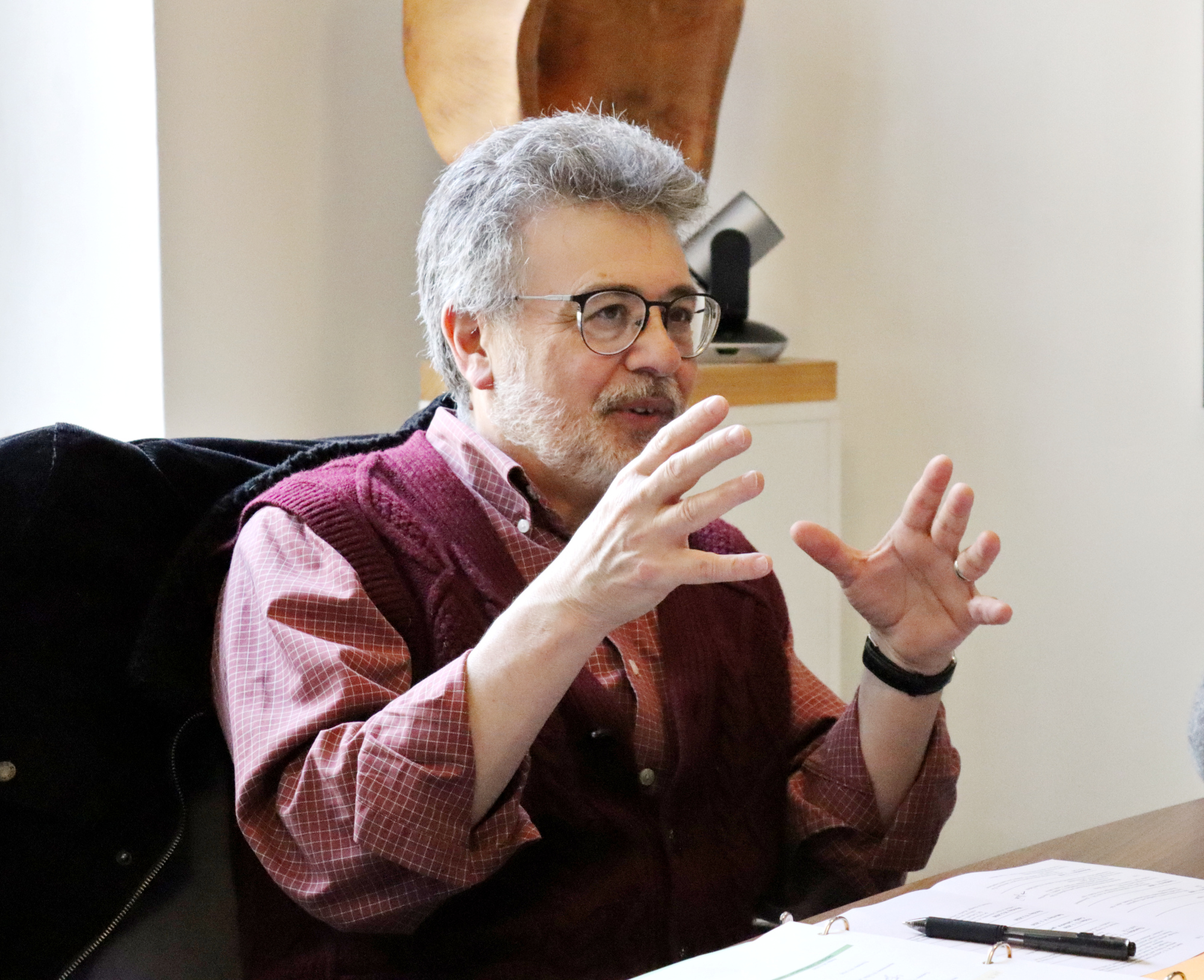
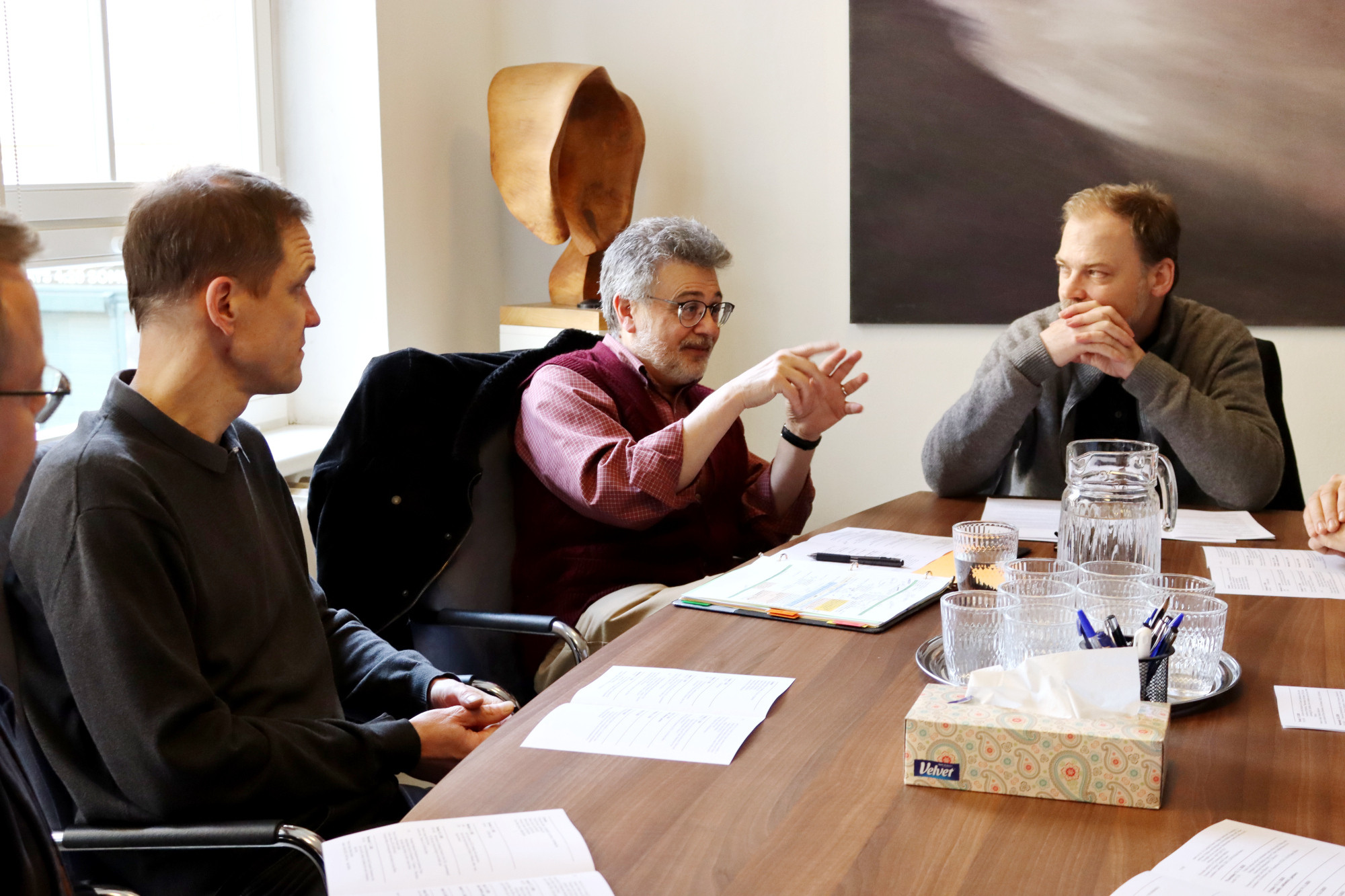
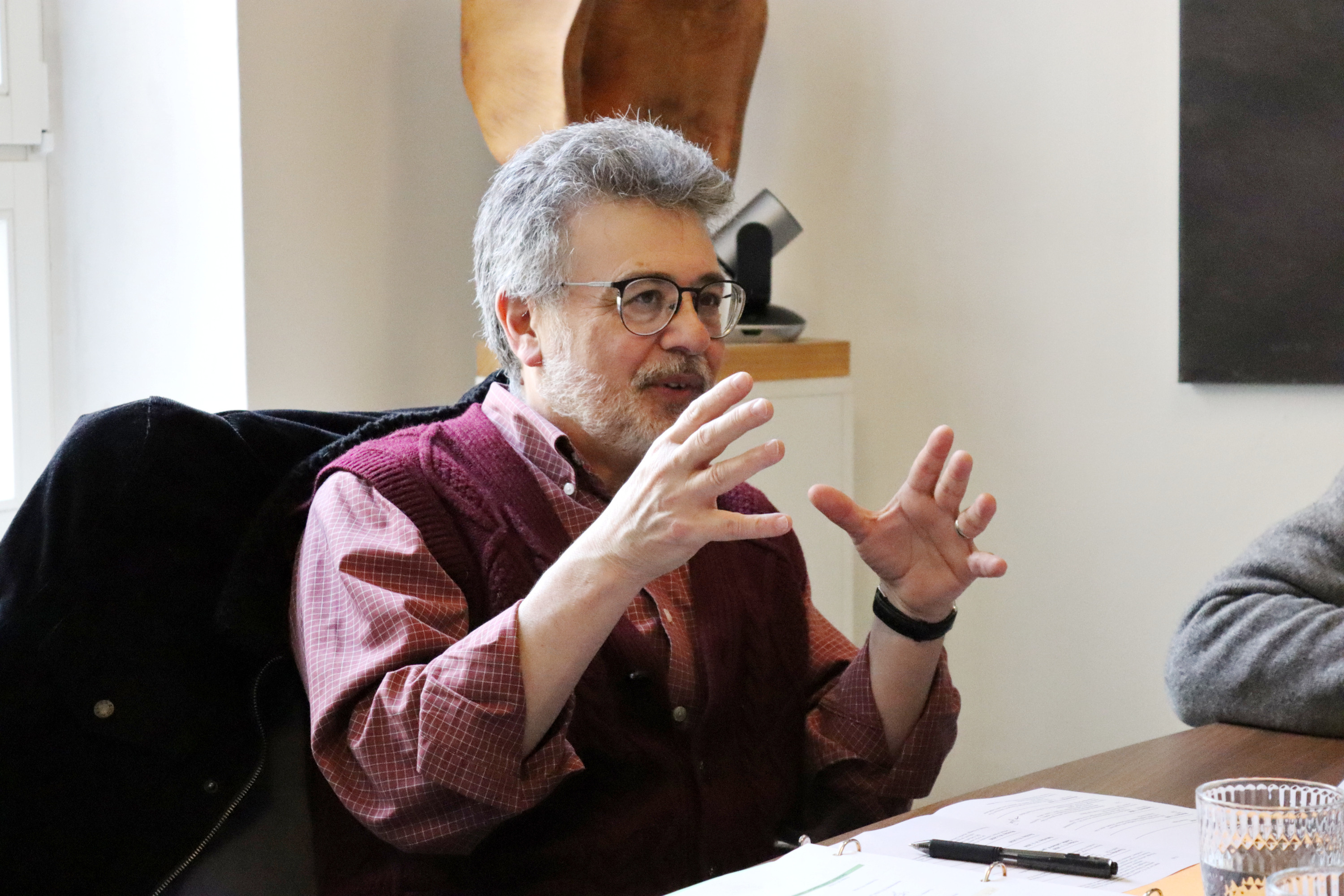
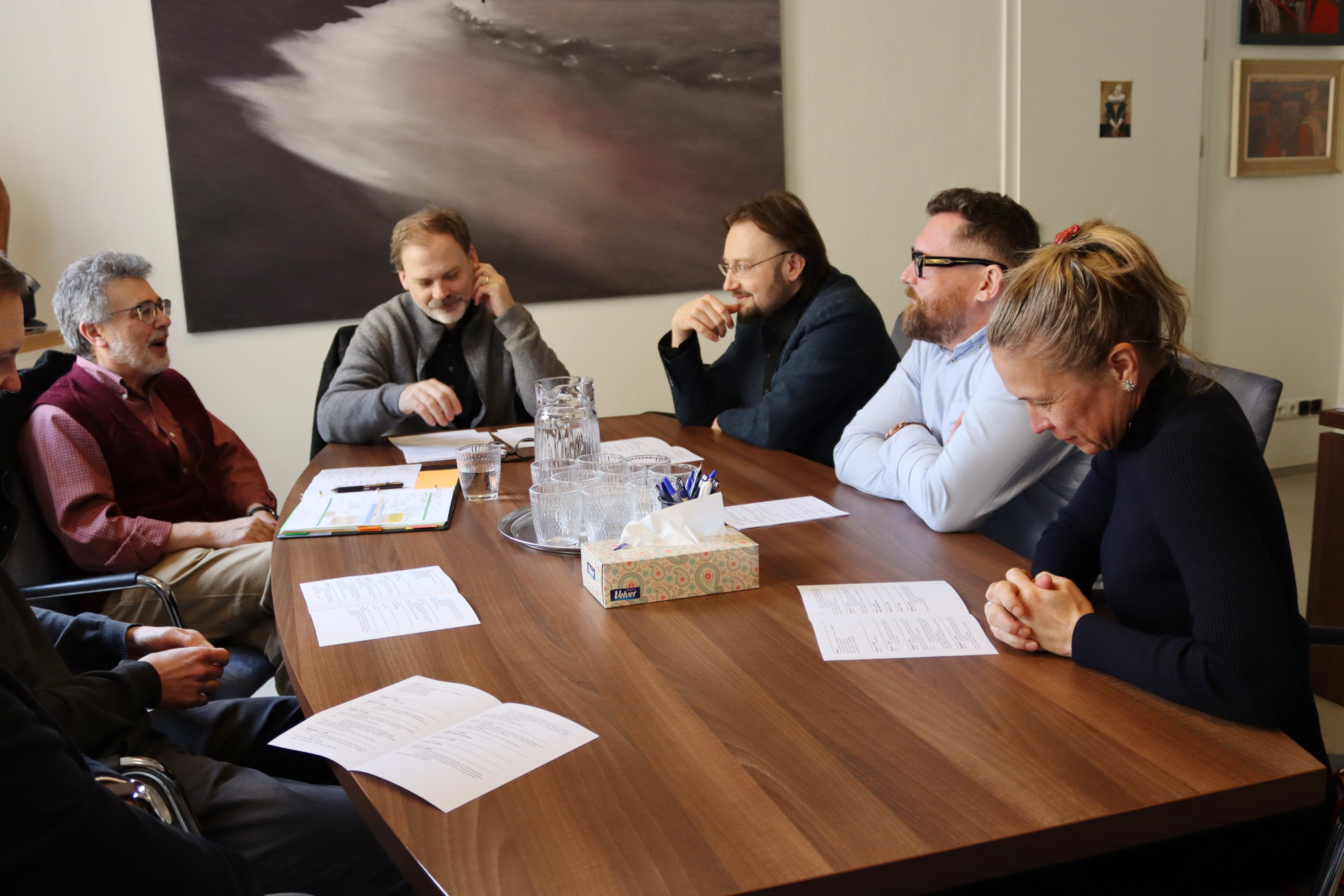
In March, the Institute of Philosophy will welcome the American medievalist Christopher M. Bellitto, Ph.D., Professor of History at Kean University in New Jersey. Bellitto specializes in medieval history, church history, and reform thought. He is the author of ten books and more than thirty studies and book chapters published in the United States and Europe, including Humility: The Secret History of a Lost Virtue (2023), The General Councils, and Renewing Christianity. He also serves as editor-in-chief of the series Brill’s Companions to the Christian Tradition and as an editor at Paulist Press.
Christopher Bellitto is an experienced university teacher and a prominent voice in public debate on church history and contemporary Catholicism. Each year, he gives numerous public lectures, collaborates with the media, and has repeatedly received support from the American grant agency National Endowment for the Humanities. In the past, he also served as a Fulbright Specialist at the University of Canterbury in New Zealand and as a Visiting Scholar at Princeton Theological Seminary.
During his March stay in Prague and other cities, he will offer a program for both specialist audiences and the wider public. He will appear, for example, as part of the inter-institutional research seminar Quaestiones Pragenses at the Institute of Philosophy of the Czech Academy of Sciences, at a workshop focused on professional development and academic publishing at the Faculty of Humanities of Charles University, deliver public lectures at Café Na Boršově in Prague, and take part in scholarly events organized by the Centre for Medieval Studies and the Institute of Czech Literature of the Czech Academy of Sciences. In his presentations, he will address, among other topics, the relationship between politics and religion in the Middle Ages and today, figures of medieval reformers, the history of myths and the representation of women in faith and culture from the Middle Ages to the present, as well as church reform.
Admission to the lectures is free.
For details, see the Events Calendar.
- 10. 3. 2026
- Aktuality
Bolzano’s Archive Comes to Life: 36,000 Pages Prepared for Online Publication
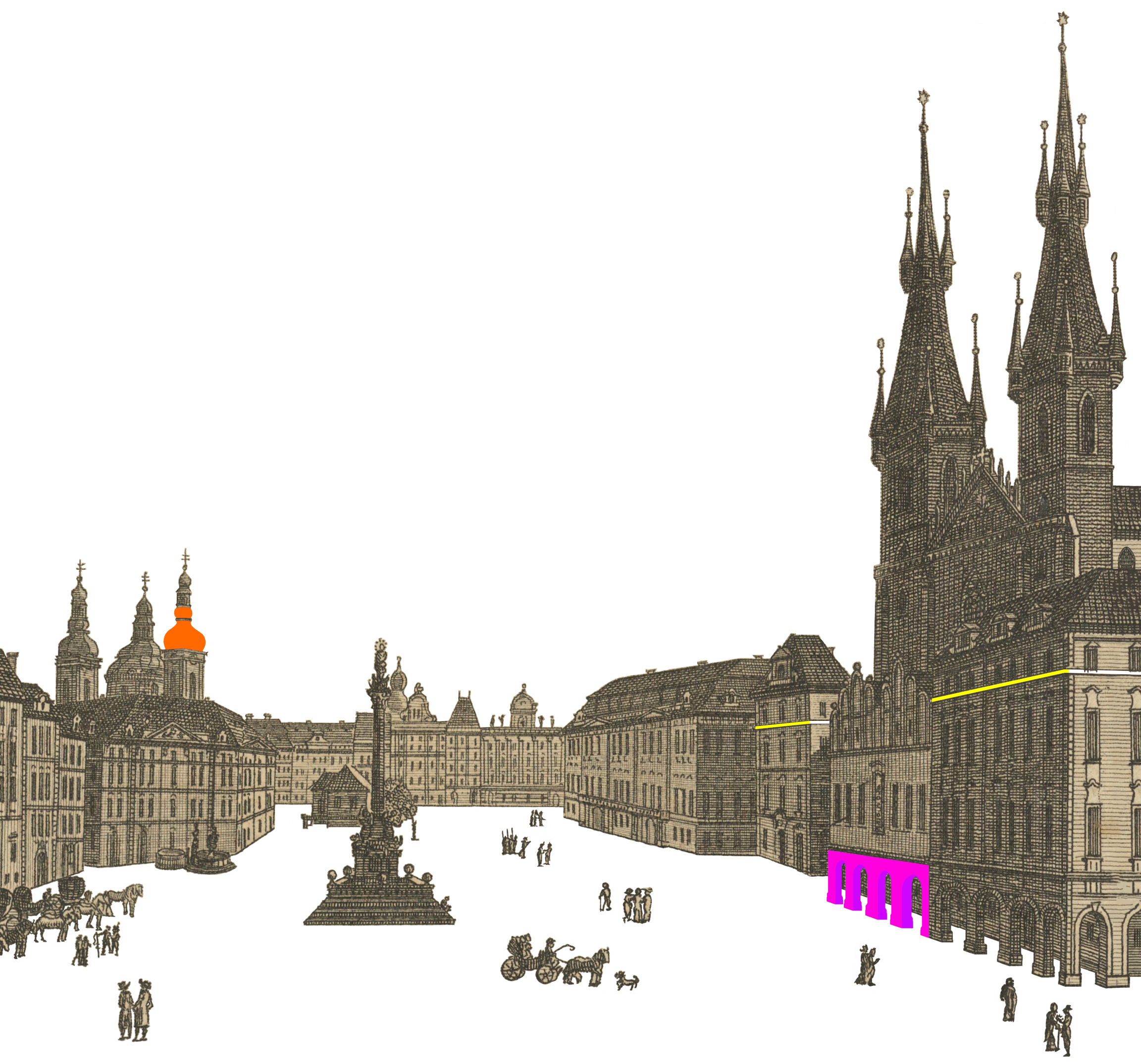
The digitized collection includes drafts of Bolzano’s works, his sermons, mathematical, philosophical, and theological notebooks, as well as correspondence, lecture notes, and a range of official documents. These include, for example, university certificates, materials relating to his dismissal from the position of Professor of Religious Studies, documents connected with ecclesiastical proceedings, and his last will and testament.
The fate of this written estate after Bolzano’s death in 1848 was exceptionally complex. In accordance with his wishes, the papers were entrusted to acquaintances who could make use of his manuscripts, publish them, or complete them. A crucial role was played by his friend and student Michael Josef Fesl, who gathered a large portion of the materials and bequeathed them to the Museum of the Kingdom of Bohemia. After his death in 1864, Bolzano’s papers thus returned to Prague. The collection was then gradually expanded by what is today the National Museum and, from 1964 onward, also by the Literary Archive of the Museum of Czech Literature.
The current digitization was made possible through close cooperation with the Literary Archive of the Museum of Czech Literature. The emerging archive will be made available to the public gradually in several waves and will be accessible in open access under the CC BY-NC 4.0 license. Long-term preservation and data security are ensured through an agreement with CESNET, while data management will be handled by members of the PragMatika team.
The aim of the project is not only to preserve these unique documents, but also to make Bolzano’s legacy accessible to contemporary research and to the wider public. In addition to digitized manuscripts, the archive will also offer Bolzano’s published works, related secondary literature, historical maps of the Czech lands, and 3D models of places where this Prague polymath was active. In the coming years, it is expected to become an important resource for the study of the history of science, philosophy, and Czech cultural heritage.
Bolzano’s written estate will be made available in open access under the CC BY-NC 4.0 license. The first part will be available to interested users by the end of this year.
More about the PragMatika project
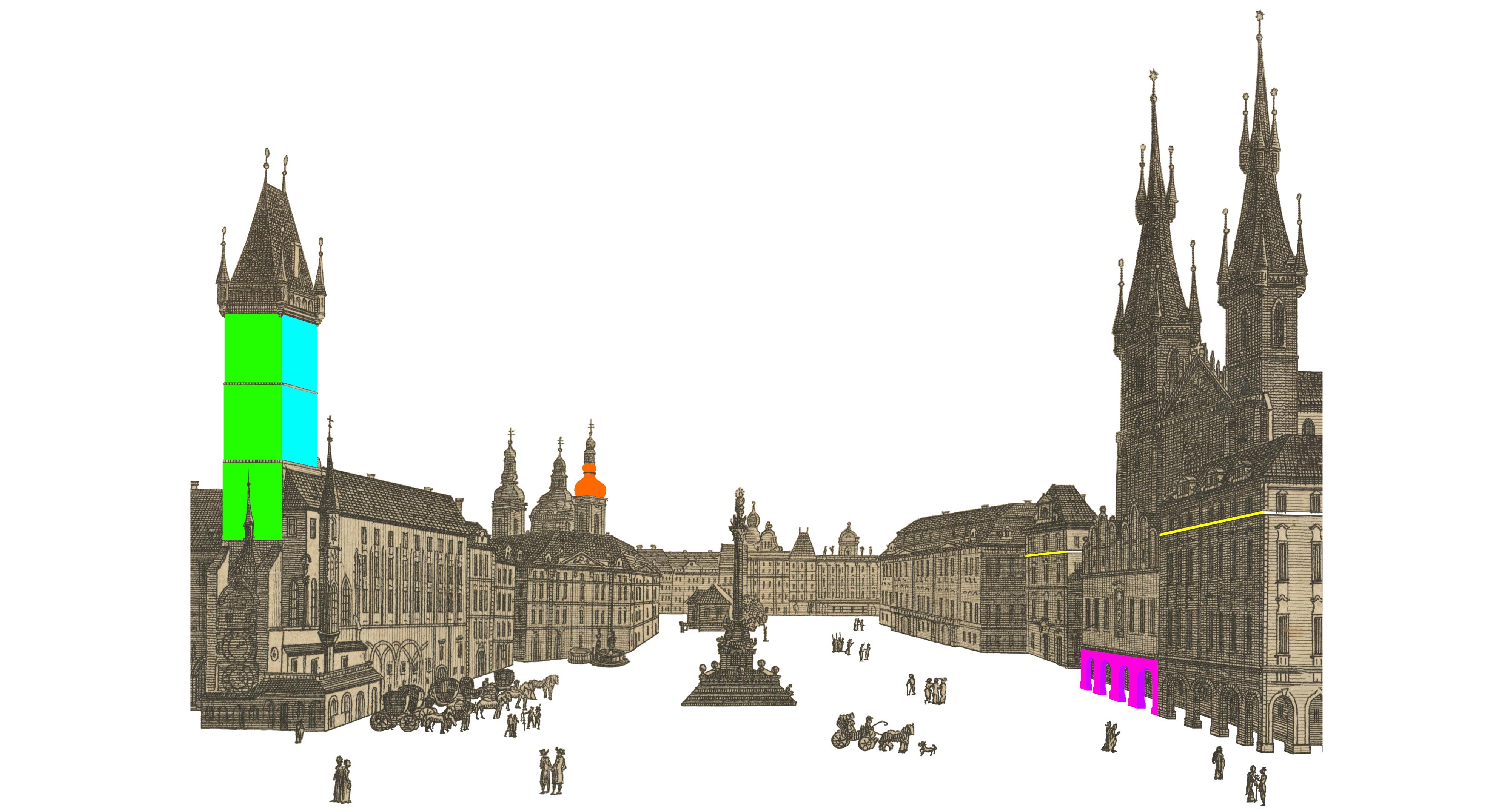
- 2. 3. 2026
- Aktuality

Podcast Green Wire
The ethical impacts of modern technologies and the ethics of our relationship to the environment are explored in a new podcast by the Centre for Environmental and Technology Ethics – Prague (CETE-P) at the Institute of Philosophy of the Czech Academy of Sciences. It looks, for example, at the use of robots in social services, the societal impacts of artificial intelligence, the limits of biotechnology, questions of coexisting with other species on the same planet, and the possibilities of technology in helping nature. Hosted by Martina Spěváčková.
- 18. 2. 2026
- Aktuality
Page 2 of 12